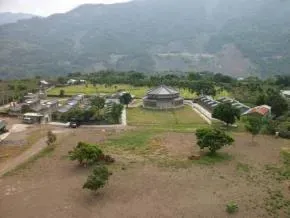
Dhamma Vikasa
Progress in Dhamma, one sitting at a time
Southern Taiwan’s Dhamma Vikasa is part of an international network of centers devoted to Vipassana meditation as taught by S.N. Goenka and assistant teachers in the tradition of Sayagyi U Ba Khin. Its name means “Progress in Dhamma,” a fitting description for a place focused on sustained practice rather than a sightseeing itinerary. Set in Laonong Village in Liouguei Township, the center provides a dedicated setting for students to step away from ordinary routines and give meditation their attention. The practice is open to newcomers as well as returning students, though current course requirements and dates should be confirmed directly. Courses run by donation, with no fixed fee stated. Practical details such as the daily timetable, accommodation arrangements, meals and instruction languages are best checked with the center before making plans. For travelers drawn to a disciplined Vipassana course in Taiwan, Dhamma Vikasa is a place to begin that conversation.
Highlights
- Its name translates as “Progress in Dhamma”
- Part of an international network of Vipassana centers
- Courses taught by S.N. Goenka’s assistant teachers
- A center devoted to the Sayagyi U Ba Khin lineage
Good for
Setting
The center is in Laonong Village, within Liouguei Township in southern Taiwan. Its village setting gives the retreat a quieter frame than a city stay, while the center’s focus remains on meditation practice.
The practice
Dhamma Vikasa teaches Vipassana in the tradition of S.N. Goenka and Sayagyi U Ba Khin. Vipassana is a method of observing experience through meditation, cultivated with steady attention and discipline. Newcomers can ask the center about course eligibility and what to expect from their first course; specific session instructions are given by the teaching team.
A typical day
Daily structure varies by retreat, so confirm the timetable with the center before planning travel. Ask about start and finish times, meal arrangements and any course requirements when you reserve.
Accommodation
Accommodation details are not established here. Ask the center about lodging arrangements and what is included when checking course dates.
What to bring
Choose comfortable, modest clothing suitable for meditation. The annual average temperature is 23.3°C; June through August are wetter, so a light rain layer is useful, while January through March are the coolest months.
How to get there
The address is No. 1-1, Lane 100, Dingnong Road, Laonong Village, Liouguei Township, Kaohsiung County, Taiwan. Confirm the route and local transport options with the center before setting out.
Nearest airport: Macau International Airport (MFM) (7 km)
The airport reference names Macau International Airport (MFM), approximately 7 km away. Macau is separate from Taiwan, so confirm the correct arrival airport and onward route with the center before booking.
Nearest city: Nossa Senhora do Carmo
Check the center’s website or contact Dhamma Vikasa directly to ask about current dates and how to reserve.
Courses run by donation, with no fixed fee stated. Ask the center about its donation arrangements and any course-related costs.
Interested in this center? Check availability and upcoming retreats on their official site.
Visit Dhamma Vikasa websiteClimate
Climate Zone: Subtropical
Best Months: Nov, Feb, Jan
Avoid: Jul, Jun, Aug
The annual average temperature is 23.3°C. July through September are warmest, June through August are wettest, and January through March are coolest; November, January and February are the driest months.
Location
Frequently asked questions
How can I find out what a typical course day involves?
Ask Dhamma Vikasa for the timetable of the course you plan to attend.
Can beginners attend a course at Dhamma Vikasa?
The center teaches Vipassana in the Goenka tradition. Contact the center to confirm current eligibility and whether a course is suitable for a first-time meditator.
How do I reserve a place?
Check the center’s website or contact Dhamma Vikasa directly for current course dates and reservation instructions.
What should I bring, and what language are courses taught in?
Pack comfortable, modest clothing and a light rain layer. Ask the center to confirm instruction language and any course-specific packing guidance.
Are meals or accommodation included?
Ask the center directly about meals, lodging and what is included for your course.
Reviews
No reviews yet — be the first to share your experience!
More centers in China
View all →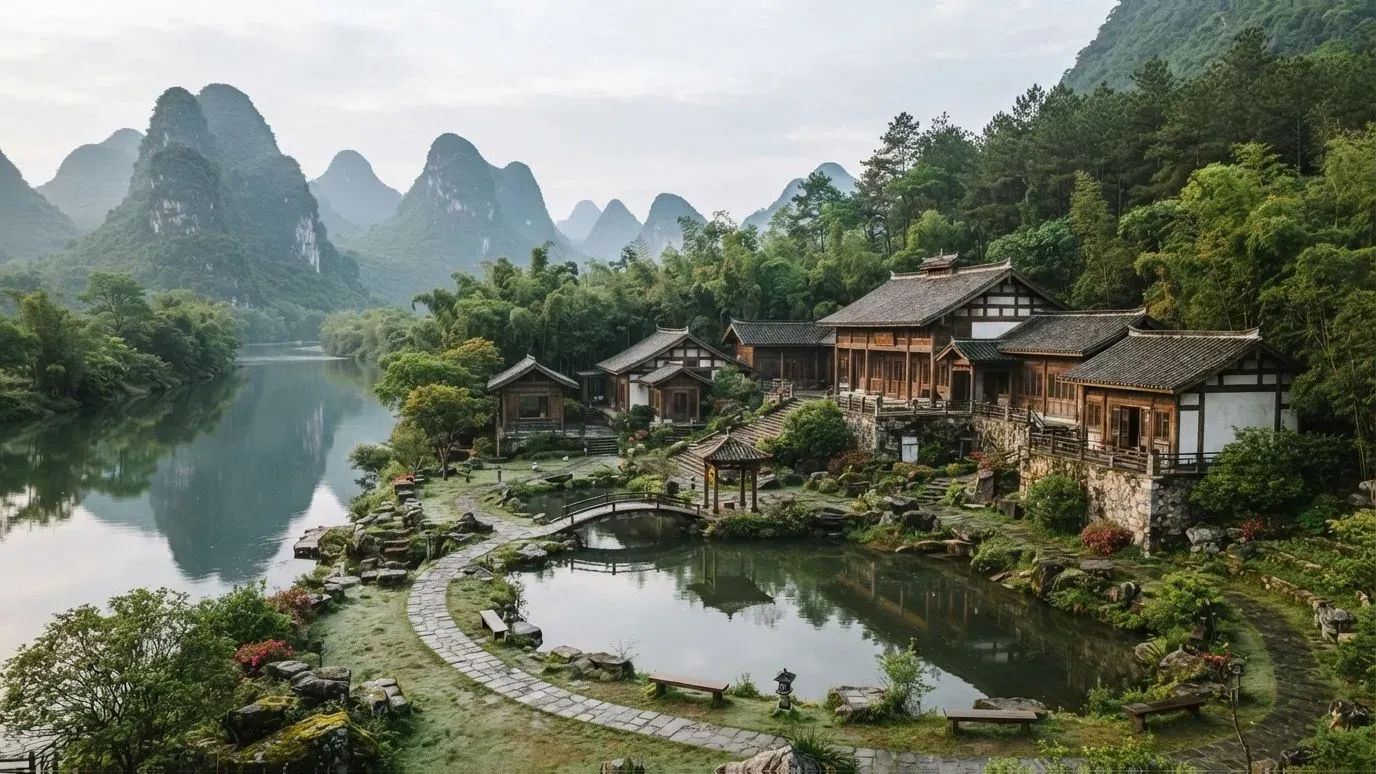 Paid
AI-generated
Wudang Shihe Kungfu & Wellness Academy
Learn Wudang Tai Chi and Qigong at historic Yuzhen Palace, with a Master, nourishing Chinese-style meals and coordinated arrival transfers.
 Donation
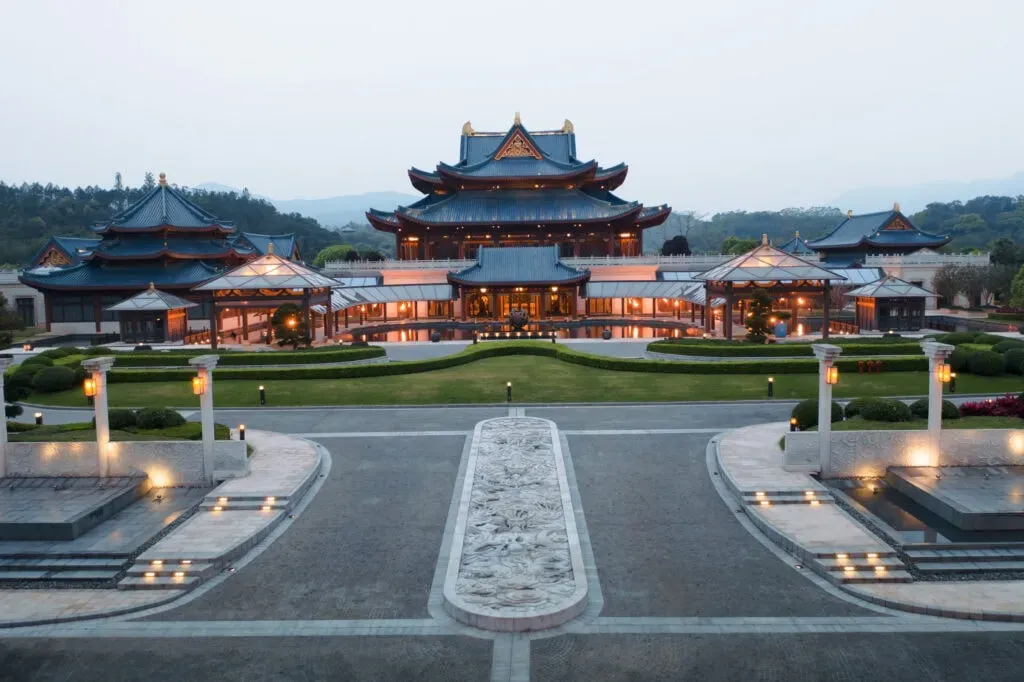
Imperial Springs
A resort-style Conghua stay with spa, sauna, pool and dining, with retreat programs and schedules to confirm directly.
 Paid
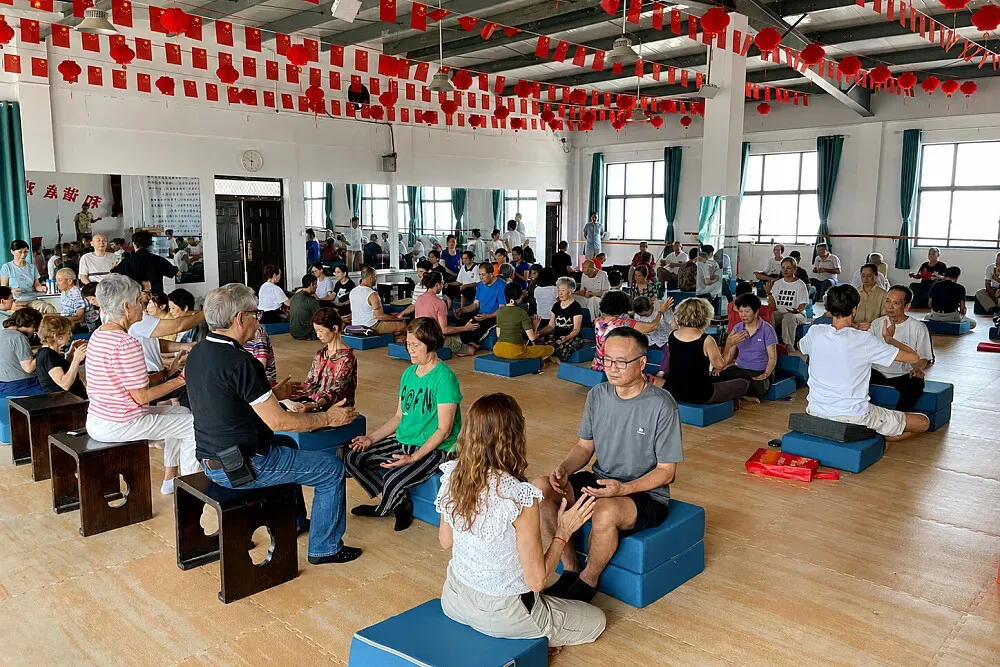
Xi'an Center
A Zhineng Qigong center in Xi'An, China, dedicated to practice, teaching, and research.
 Paid
AI-generated
Lhasa Arrival Center | Tibet Pilgrimage
A Lhasa starting point for a changing pilgrimage route through Tibet’s sacred landscapes toward Mount Kailash.
Other Goenka (S.N. Goenka) centers
View all → Donation
Dhamma Mudita
Vipassana meditation in Austria, offering 10-day silent retreats for inner peace.
 Donation
Photo: Iker Fernandez / Unsplash
Dhamma Sacca
Accessible meditation in Barcelona, operating by donation.
 Donation
AI-generated
Dhamma Manjusha
Vipassana meditation in the tradition of S.N. Goenka.
 Donation
AI-generated
Dhamma Pubbananda
Dhamma Pubbananda offers popular, runs by donation meditation courses in Claymont.