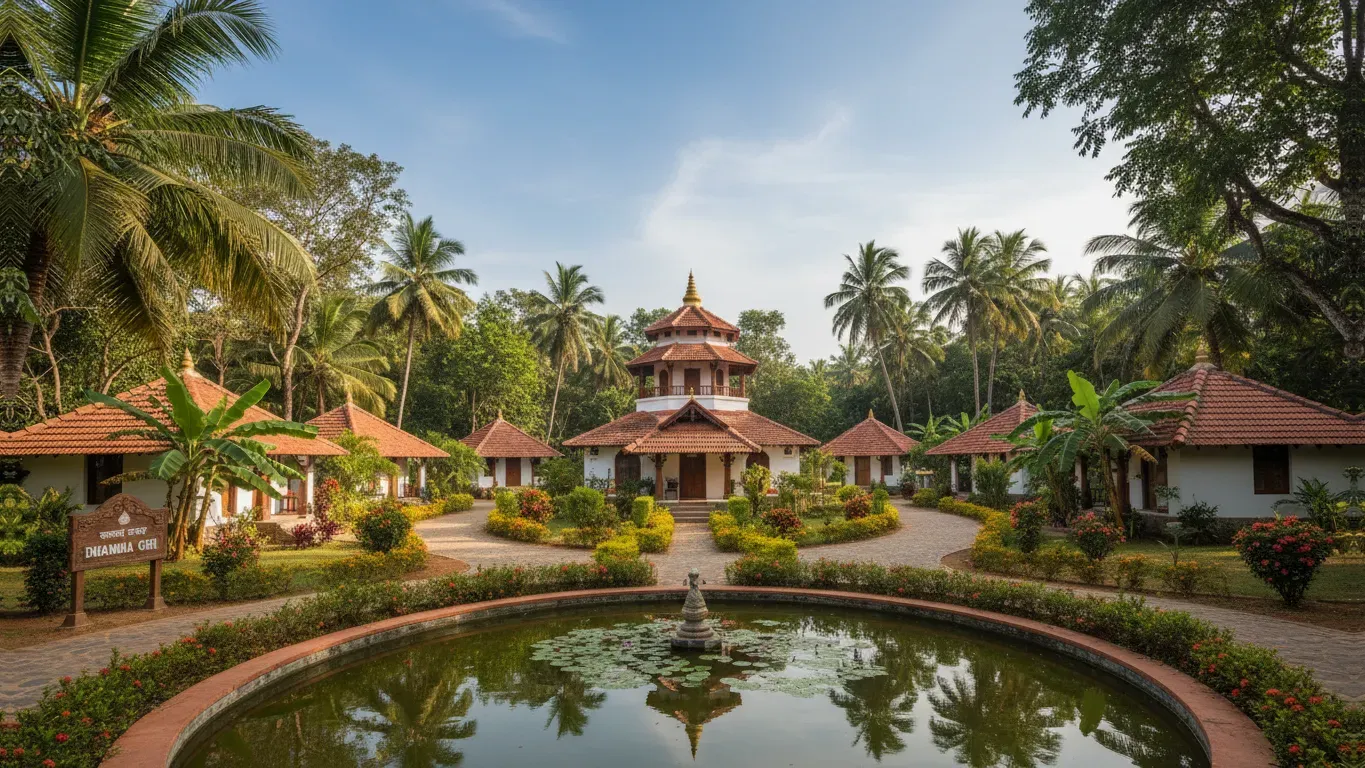
Dhamma Manjusha
Silence, Insight, Inner Peace
Dhamma Manjusha offers a profound immersion into Vipassana meditation, as taught by S.N. Goenka, following the tradition of Sayagyi U Ba Khin. This center provides a dedicated space for serious practitioners to cultivate inner peace and wisdom through silent introspection. The courses here are designed to guide individuals through the ancient technique of Vipassana, focusing on self-observation to purify the mind. Expect a rigorous schedule of meditation, noble silence, and a supportive environment conducive to deep personal exploration. It's a place where the timeless teachings are preserved and shared, allowing participants to experience the benefits of this powerful practice firsthand.
Highlights
- Follows the authentic S.N. Goenka Vipassana tradition
- Courses are run on a pay-what-you-can basis
- Focus on silent, intensive meditation retreats
Good for
Setting
The center is located in Manju, offering a serene environment away from urban distractions. While specific details about the landscape are not available, the focus is on creating a peaceful atmosphere conducive to deep meditation.
The practice
Vipassana, meaning to see things as they really are, is a practical method of self-observation. At Dhamma Manjusha, you will learn to observe the natural breath to concentrate the mind, and then observe the changing nature of body and mind to experience universal truths. It's a non-sectarian technique aimed at purifying the mind.
A typical day
Daily structure at Dhamma Manjusha is rigorous, emphasizing consistent meditation. Days typically begin early with group sittings, interspersed with short breaks and meals. Noble silence is maintained throughout, fostering an environment of deep introspection. The schedule is designed to support continuous practice and self-discovery.
Accommodation
Specific details about the lodging at Dhamma Manjusha are not available. Participants should expect simple, functional accommodations designed to support the retreat experience.
What to bring
Given the warm climate, pack light, comfortable clothing suitable for meditation. It's advisable to bring personal toiletries and any necessary medications. A water bottle and a small flashlight might also be useful.
How to get there
Specific directions to the center's address in Manju are not provided. Participants should consult the center's website or contact them directly for detailed travel instructions once their application is accepted.
Nearest airport: Nanded Airport (NDC) (169 km)
The nearest airport is Nanded Airport (NDC), approximately 169 km from the center. Participants are responsible for arranging their own transport from the airport, likely via taxi or local bus services.
Nearest city: Nanded
Booking is typically done through an application process on the center's official website.
Courses at Dhamma Manjusha run by donation. There is no fixed fee; participants are encouraged to contribute according to their means and the benefits they have received.
Interested in this center? Check availability and upcoming retreats on their official site.
Visit Dhamma Manjusha websiteClimate
Climate Zone: Tropical
Best Months: Feb, Dec, Mar
Avoid: Sep, Aug, Jul
Manju generally experiences a warm to hot climate throughout the year. The average annual temperature is 26.7°C. The hottest periods are from March to May, while the coolest months are December to January. The region sees its driest conditions from December to March, with the monsoon season bringing significant rainfall from July to September.
Location
Frequently asked questions
What should I expect during a Vipassana course?
You can expect a strict daily schedule focused on meditation, noble silence, and vegetarian meals. The courses are intensive and designed for serious self-exploration, guided by the teachings of S.N. Goenka.
Are the courses suitable for beginners?
Yes, the courses are structured to accommodate both beginners and experienced meditators. The instructions are given systematically, allowing newcomers to gradually understand and practice the technique effectively.
How do I apply for a course at Dhamma Manjusha?
Information on how to apply for courses, including application forms and schedules, can be found on the official website, http://manjusha.dhamma.org. It is recommended to apply in advance due to limited availability.
What is the duration of a typical Vipassana course?
While specific course durations are not detailed, Vipassana courses in this tradition are typically 10 days long, providing sufficient time for a deep immersion into the practice.
What is the climate like in Manju, and what should I pack?
Manju experiences warm to hot temperatures year-round, with average annual temperatures around 26.7°C. The warmest months are April, May, and March, while December, November, and January are cooler. The driest months are February, December, and March, with the wettest being September, August, and July. Pack light, breathable clothing suitable for warm weather. Consider bringing a light shawl or sweater for cooler evenings or air-conditioned spaces, and rain gear if visiting during the monsoon season.
Reviews
No reviews yet — be the first to share your experience!
More centers in India
View all →Other Goenka (S.N. Goenka) centers
View all →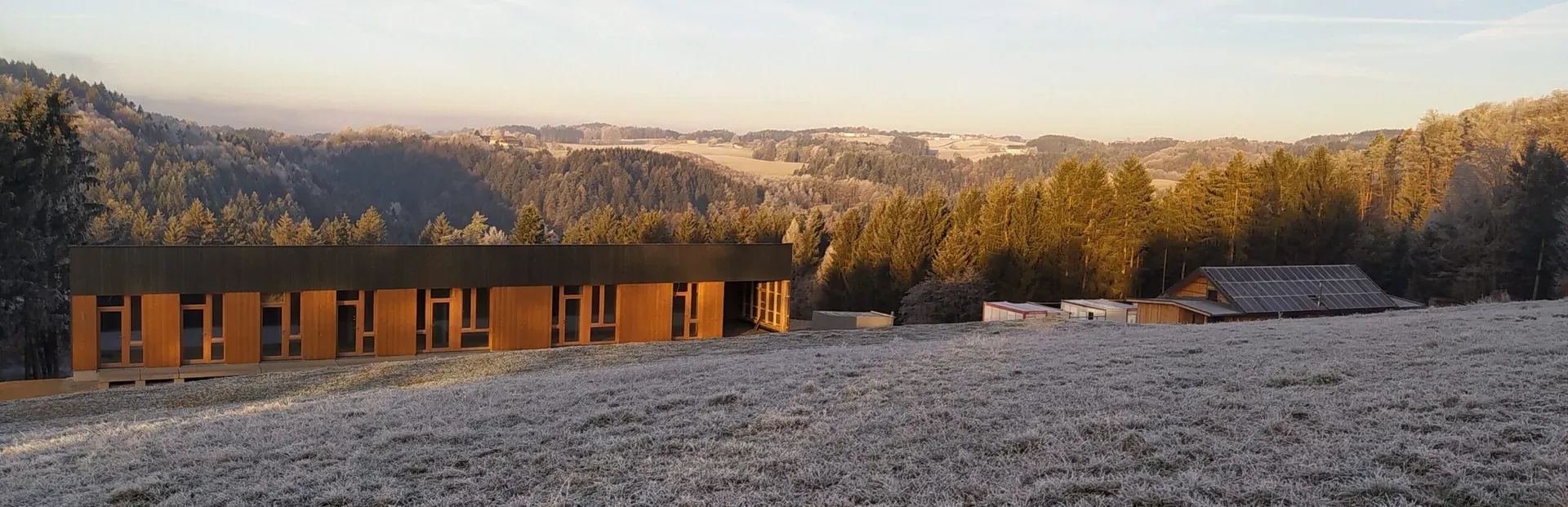 Donation
Dhamma Mudita
Vipassana meditation in Austria, offering 10-day silent retreats for inner peace.
 Donation
Photo: Iker Fernandez / Unsplash
Dhamma Sacca
Accessible meditation in Barcelona, operating by donation.
 Donation
AI-generated
Dhamma Pubbananda
Dhamma Pubbananda offers popular, runs by donation meditation courses in Claymont.
 Donation
Photo: yuan chang / Pexels
Dhamma Suttama
Meditation courses for children and teenagers in Montebello.