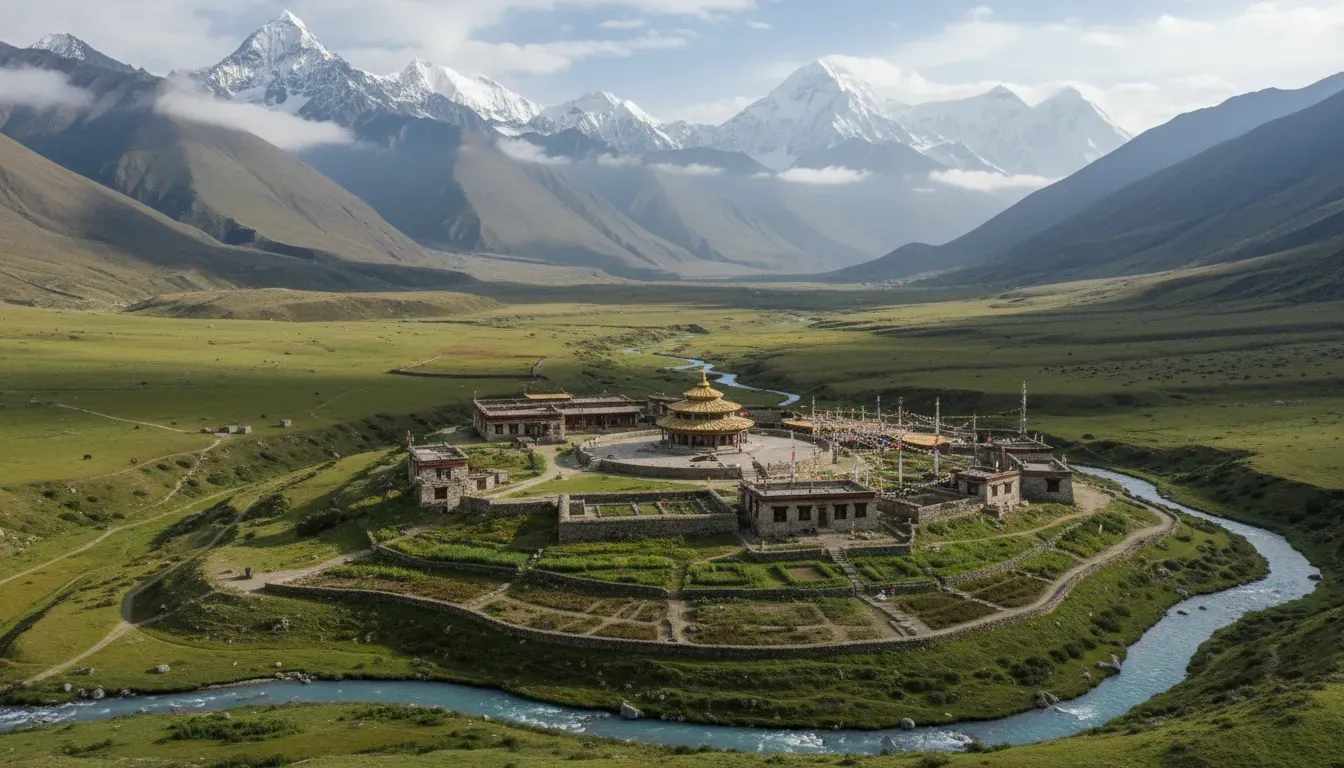
Lhasa Arrival Center | Tibet Pilgrimage
Begin in Lhasa, travel toward Kailash
The journey begins in Lhasa, then moves outward through Tibet rather than settling into the routine of a single retreat property. This arrival point sets the stage for a pilgrimage across sacred landscapes, with visits to monasteries and high-altitude terrain along the way, and the Mount Kailash route as a defining destination. The experience is shaped as much by travel between places as by time spent at them: overnight stays change with the itinerary, ranging from hotels and guesthouses to mountain lodging. That makes this a good fit for travelers who want a guided pilgrimage framework and are comfortable with an evolving route, rather than a fixed campus or a known daily meditation schedule. The center’s tradition and formal practice details are not established here, so approach it as a Tibet pilgrimage first and confirm the itinerary, physical demands, and arrangements directly before booking.
Highlights
- A pilgrimage itinerary that begins in Lhasa and continues across multiple sacred locations
- Changing overnight stays, from hotels and guesthouses to mountain lodging
- A route associated with the revered Mount Kailash pilgrimage
- Travel through landscapes marked by monasteries and sacred lakes
Good for
Setting
The route moves through Tibet’s high-altitude landscapes, linking sacred sites, monasteries, and lakes rather than staying in one setting. Expect the character of the journey to change as the itinerary crosses open terrain and reaches mountain stops.
A typical day
Daily structure varies with the route and travel stages, so confirm the schedule with the center. Time is organized around moving between pilgrimage locations rather than a known, fixed meditation timetable.
Accommodation
Overnight stays change along the pilgrimage route and may include hotels, guesthouses, and mountain lodging. Ask the organizer what is included and what comfort levels to expect for your dates.
What to bring
Bring layers for changing temperatures, sun protection, comfortable sturdy footwear, and a rain shell. June through August are the warmest months, while December through February are coolest; rainfall is higher in May, August, and September.
How to get there
The pilgrimage begins in Lhasa. Plan to reach the city before the trip starts and confirm the meeting point and arrival timing with the organizer.
Nearest airport: Lhasa Gonggar International Airport (LXA) (44 km)
Lhasa Gonggar International Airport (LXA), near Shannan (Gonggar), is approximately 44 km from the center. Confirm onward transfer arrangements with the organizer before travel.
Nearest city: Shannan (Gonggar)
Enquire and reserve through the Tibet 2026 website.
The trip is paid, but no price is stated here; confirm the cost and what it includes with the organizer.
Interested in this center? Check availability and upcoming retreats on their official site.
Visit Lhasa Arrival Center | Tibet Pilgrimage websiteClimate
Climate Zone: Temperate
Best Months: Dec, Jan, Nov
Avoid: Sep, May, Aug
The annual average temperature is 9.8°C, with warmer conditions in June through August and cooler weather in December through February. Rainfall is highest in May, August, and September, while November through January are driest, so conditions can vary considerably across travel dates.
Location
Frequently asked questions
Does the pilgrimage stay in one place?
No. It begins in Lhasa and continues across multiple sacred locations in Tibet, with lodging changing along the route.
Is this suitable for someone new to meditation?
The program is presented as a pilgrimage, and no meditation experience requirement is established. Ask the organizer whether the itinerary includes formal practice and what physical demands to expect.
How do I book a place?
Use the center’s Tibet 2026 website to enquire about dates and reservations.
What kind of accommodation should I expect?
Stays may include hotels, guesthouses, and mountain lodging. Confirm the specific accommodation plan for your itinerary.
What should I bring for the journey?
Pack adaptable layers, sun protection, sturdy walking shoes, and a rain shell. Ask the organizer for a route-specific packing list and guidance on high-altitude travel.
Reviews
No reviews yet — be the first to share your experience!
More centers in China
View all →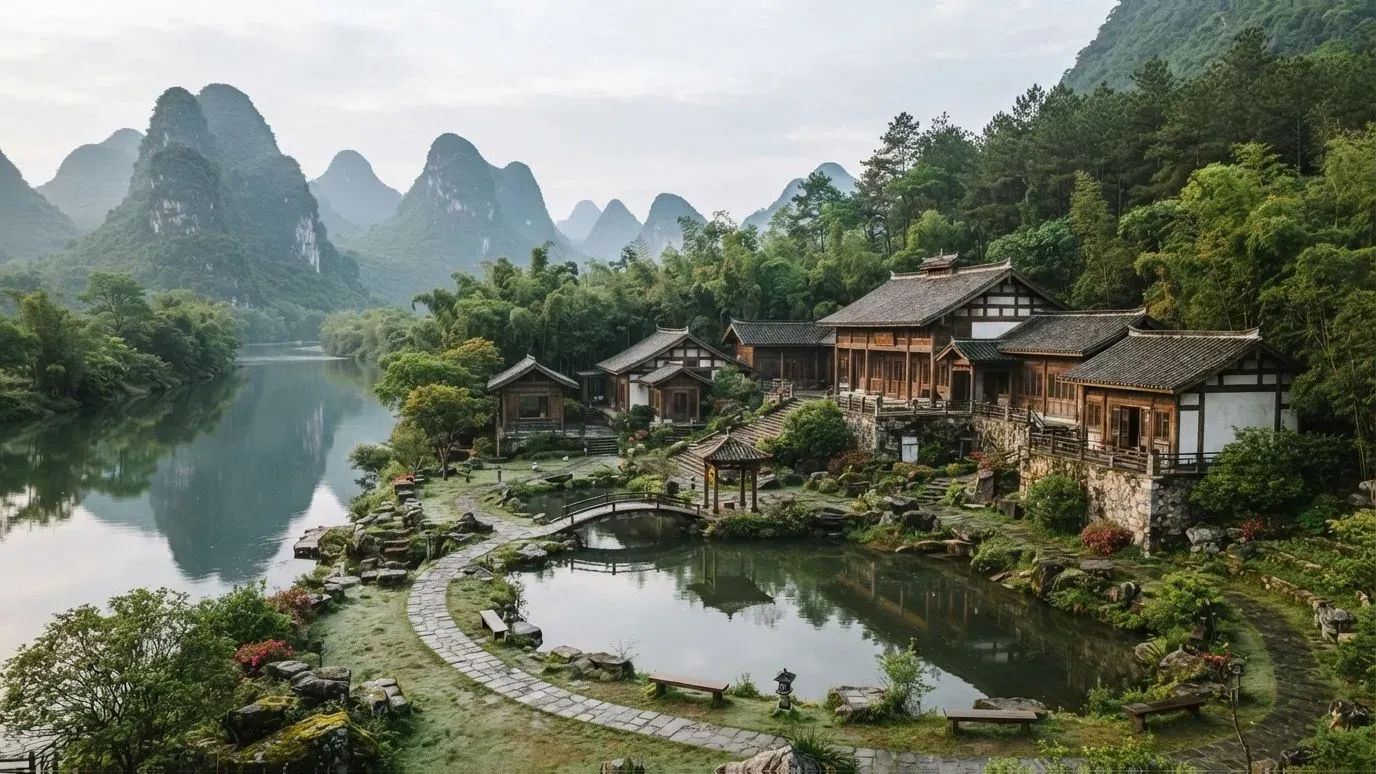 Paid
AI-generated
Wudang Shihe Kungfu & Wellness Academy
Learn Wudang Tai Chi and Qigong at historic Yuzhen Palace, with a Master, nourishing Chinese-style meals and coordinated arrival transfers.
 Donation
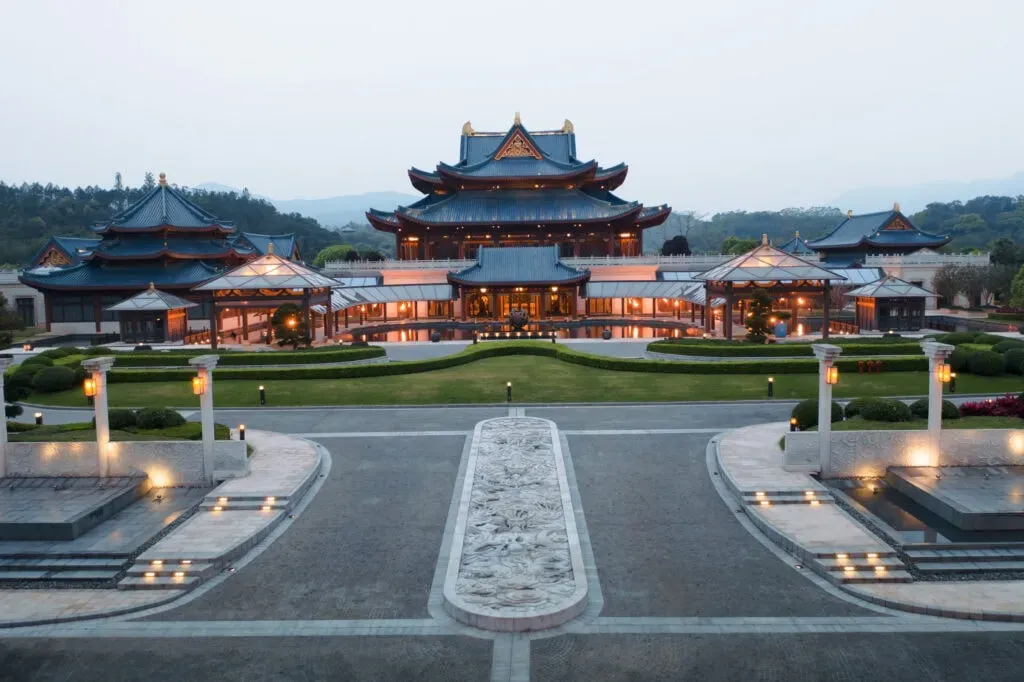
Imperial Springs
A resort-style Conghua stay with spa, sauna, pool and dining, with retreat programs and schedules to confirm directly.
 Paid
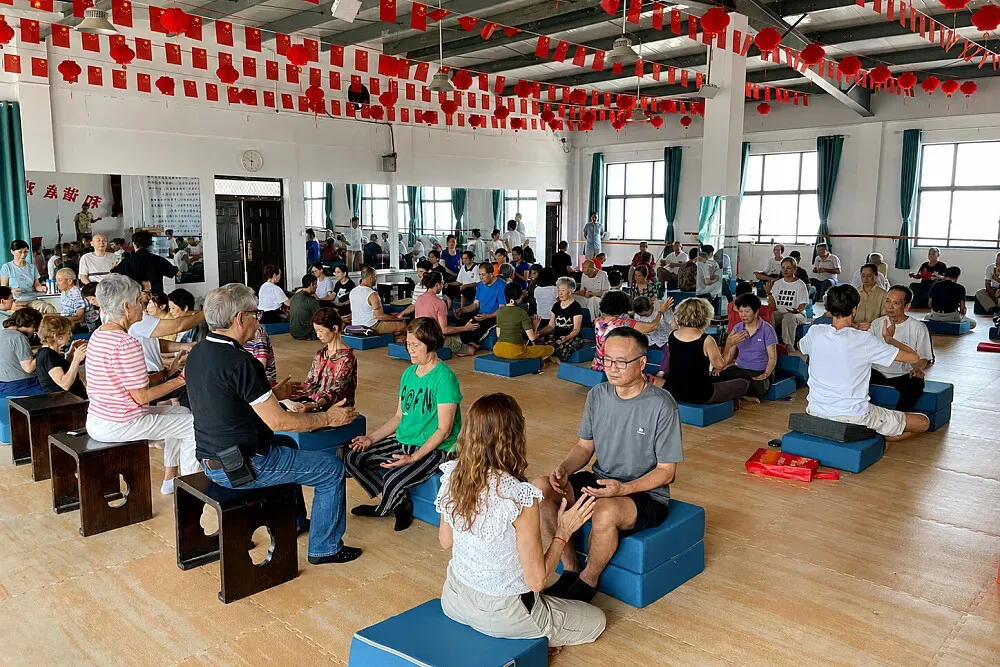
Xi'an Center
A Zhineng Qigong center in Xi'An, China, dedicated to practice, teaching, and research.
 Paid
AI-generated
Sati yoga Space
A music-and-meditation retreat in Yunnan, pairing a Raga program with mountain nature, protected wetlands and local village culture.