Japan's contemplative tradition is overwhelmingly Zen Buddhist, and remains accessible to serious Western practitioners. Eihei-ji (Fukui) and Sōji-ji (Yokohama) are the two head training monasteries of the Sōtō school; Rinzai school monasteries operate in Kyoto and the Kanto region. Many monasteries run formal sesshin (week-long intensive zazen retreats) in English several times a year. The shukubo (temple stay) program offers shorter, more accessible introductions to Buddhist monastic life with sutra-chanting, zazen, and shojin-ryori (temple vegetarian cuisine) — especially around Mount Koya (Shingon school) and parts of Tohoku. Yoga is a smaller but established scene in Tokyo, Kyoto, and Okinawa. Japanese is the working language at traditional monasteries; international programs run in English. Shojin-ryori is exquisite vegetarian food. April–May (cherry blossom) and October–November (autumn colors) are the most popular seasons; temple winter retreats are austere but powerful. Most Western passports get 90 days visa-free entry. Cost: shukubo nights from ¥10,000; formal sesshin often donation-based; secular wellness retreats well above.
 Paid
 Paid
 Donation
Photo: Travel with Lenses / Pexels
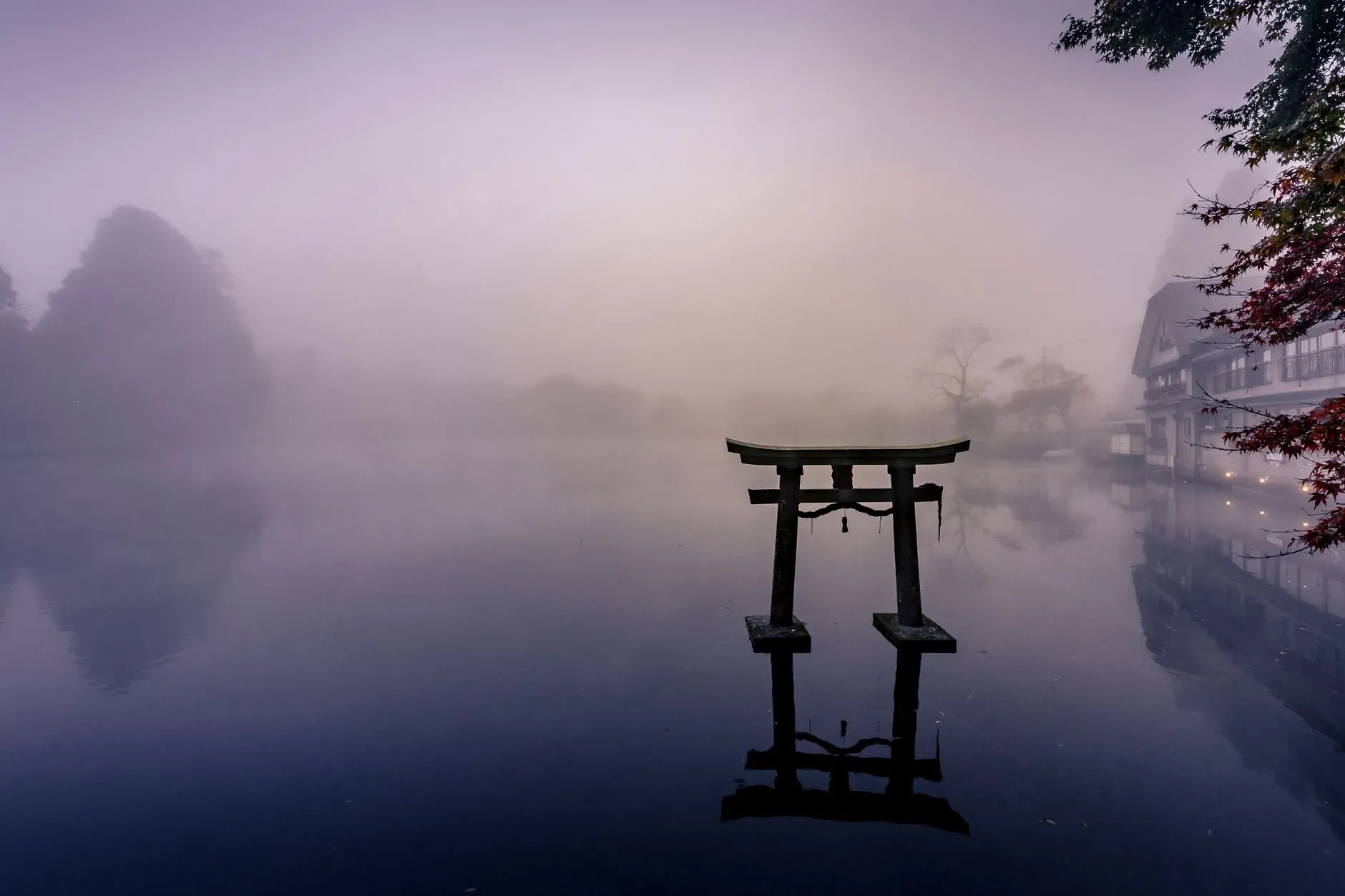 Donation
Photo: Ken Cheung / Pexels
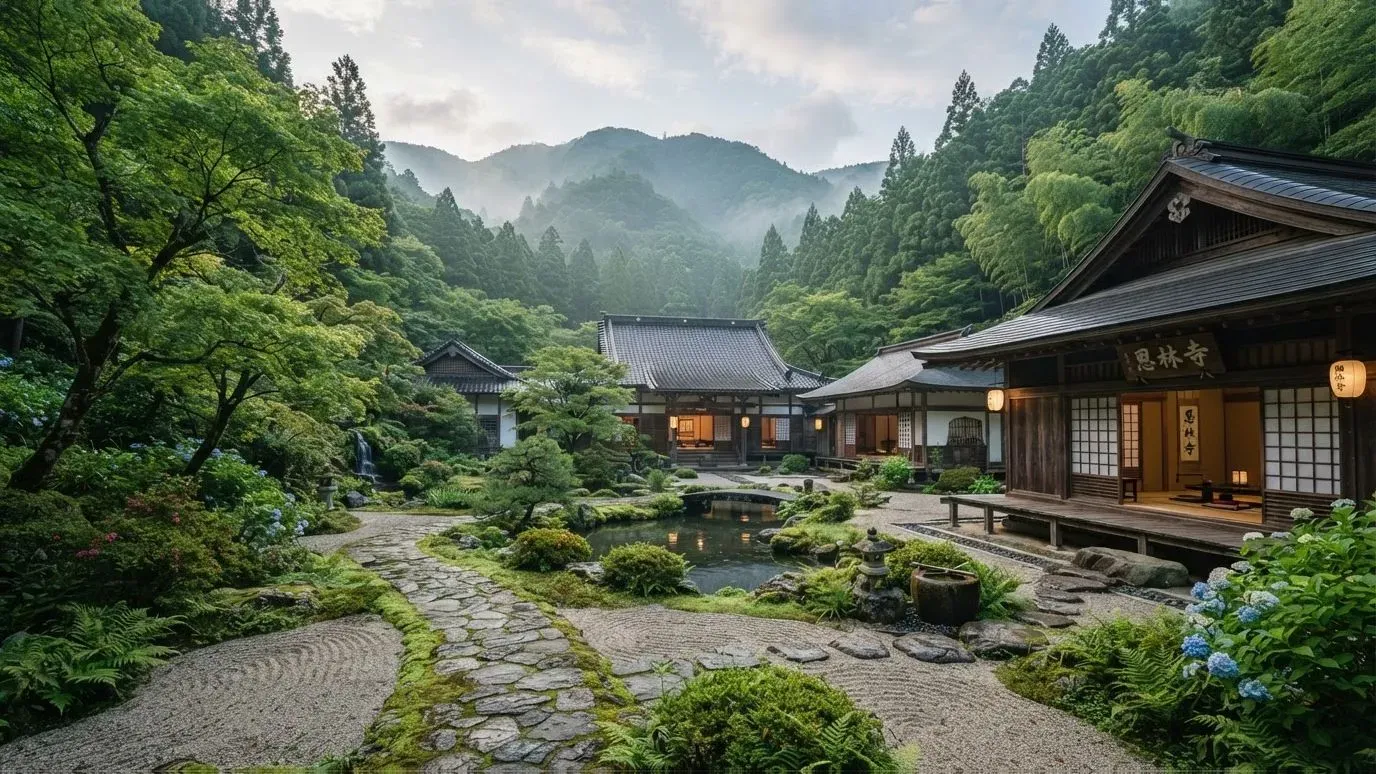 Donation
AI-generated
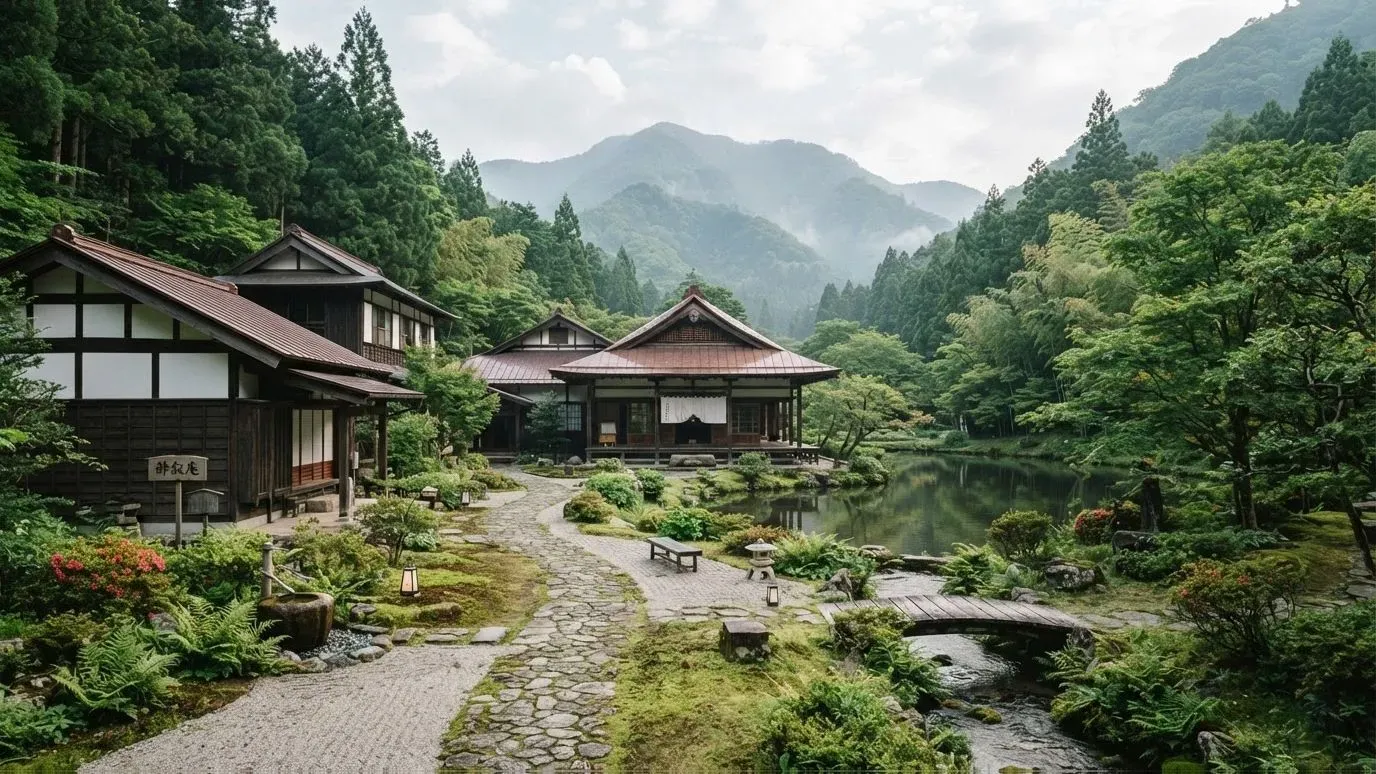 Donation
AI-generated
 Paid
 Paid