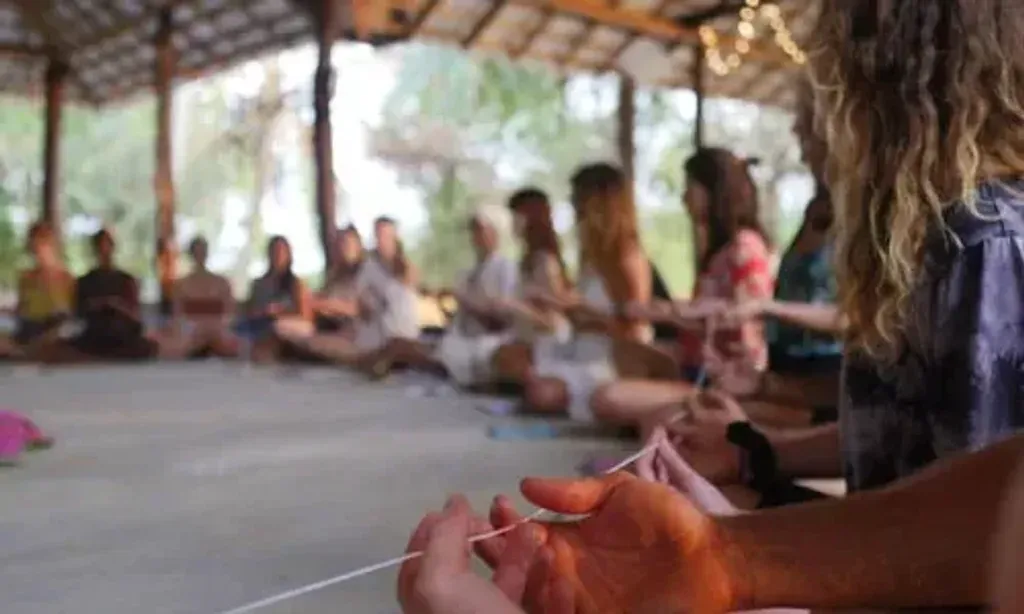
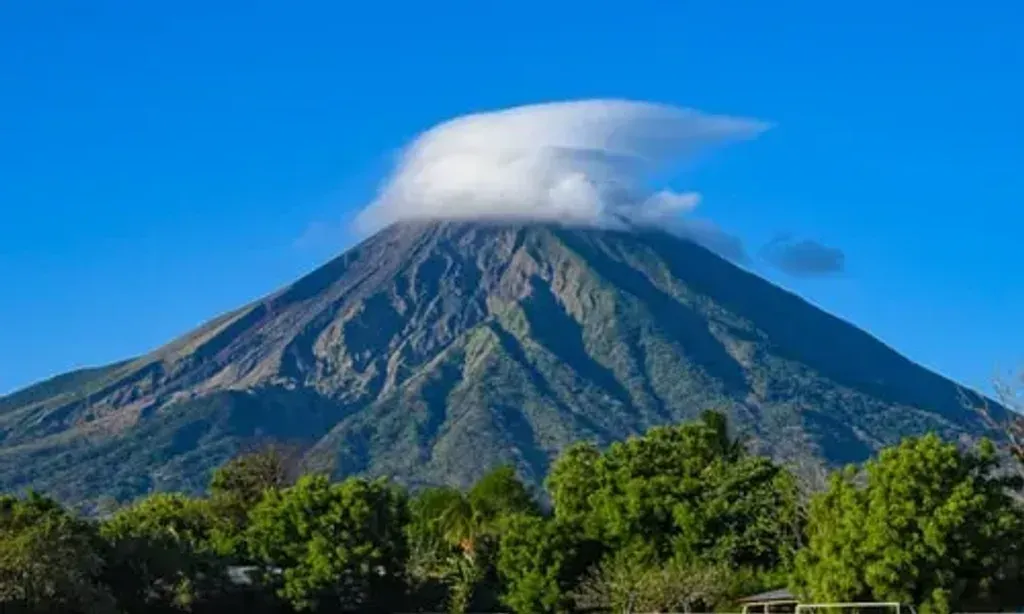
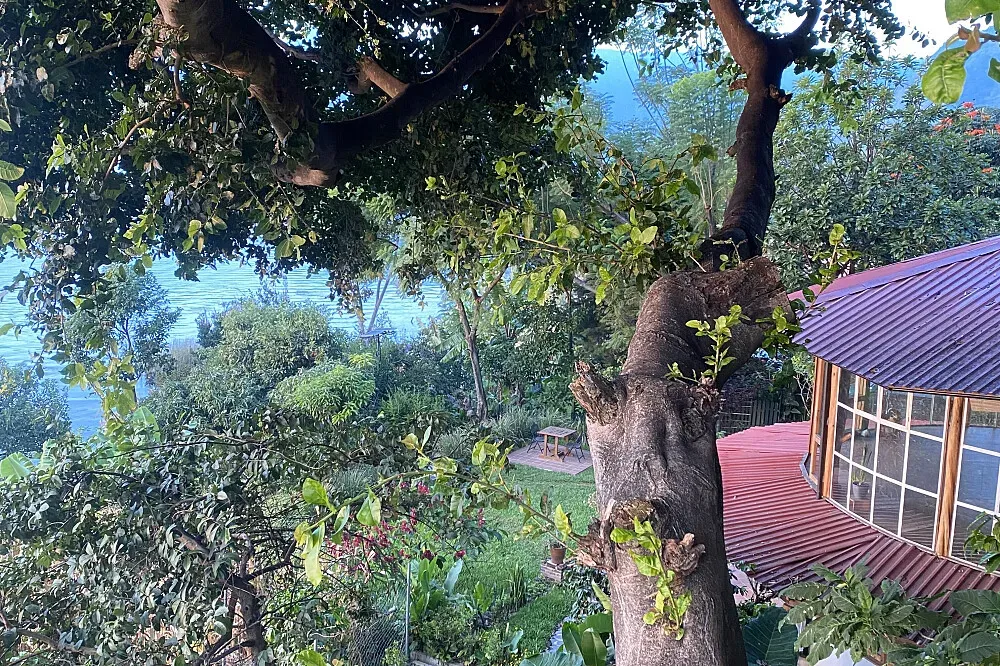
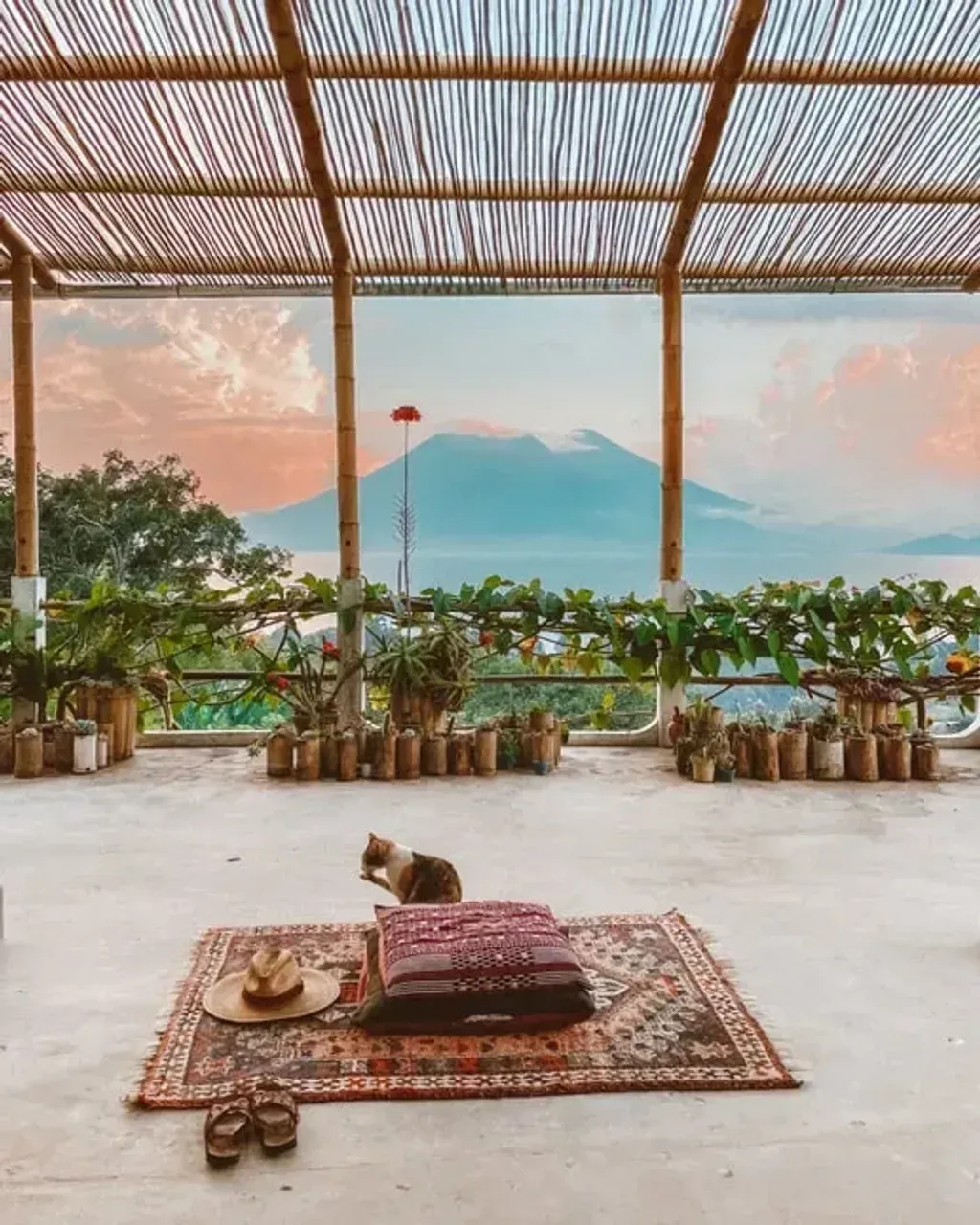
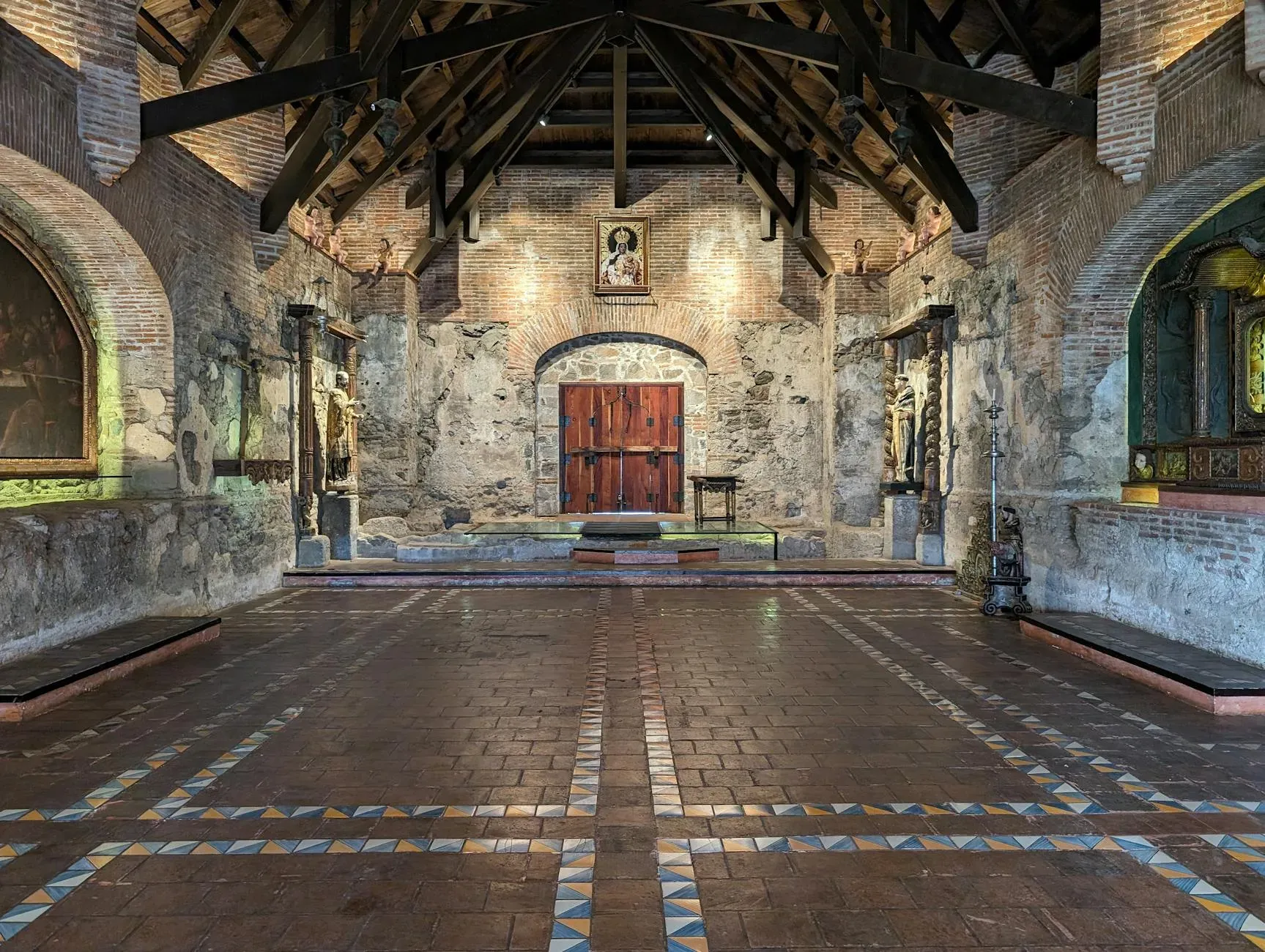
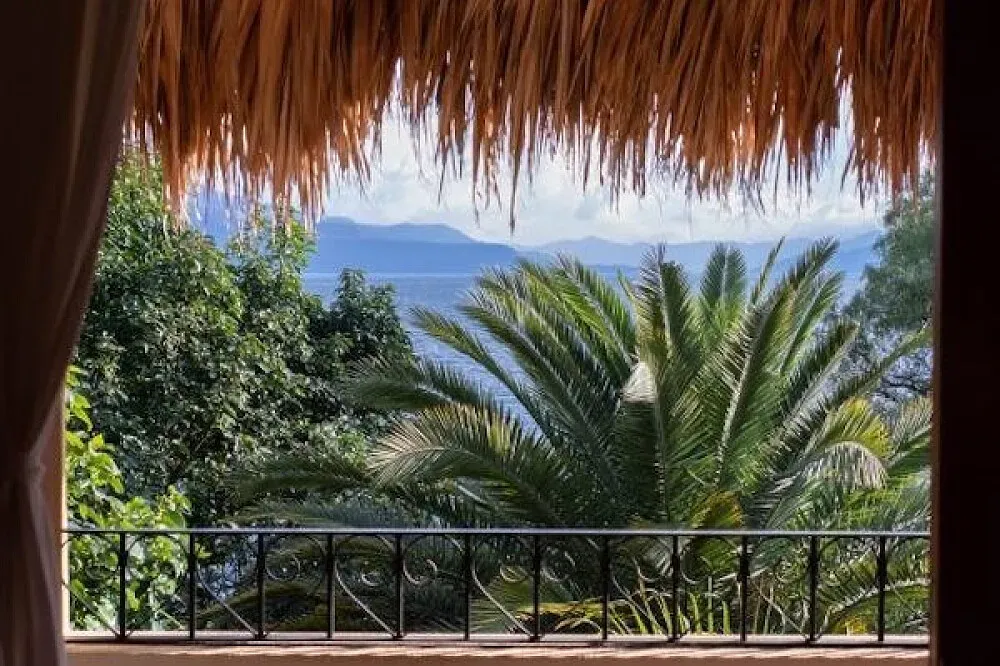
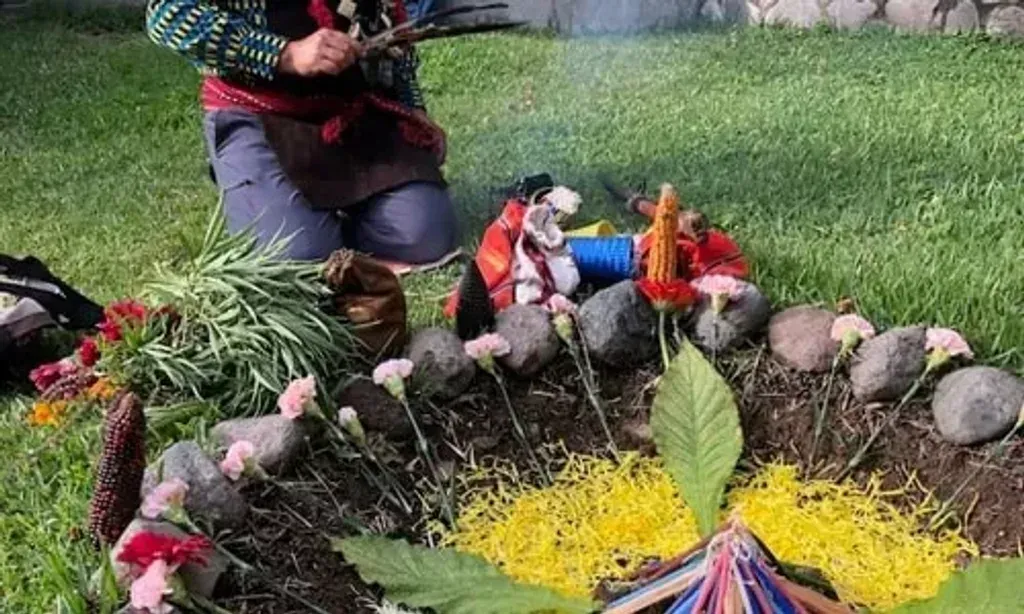
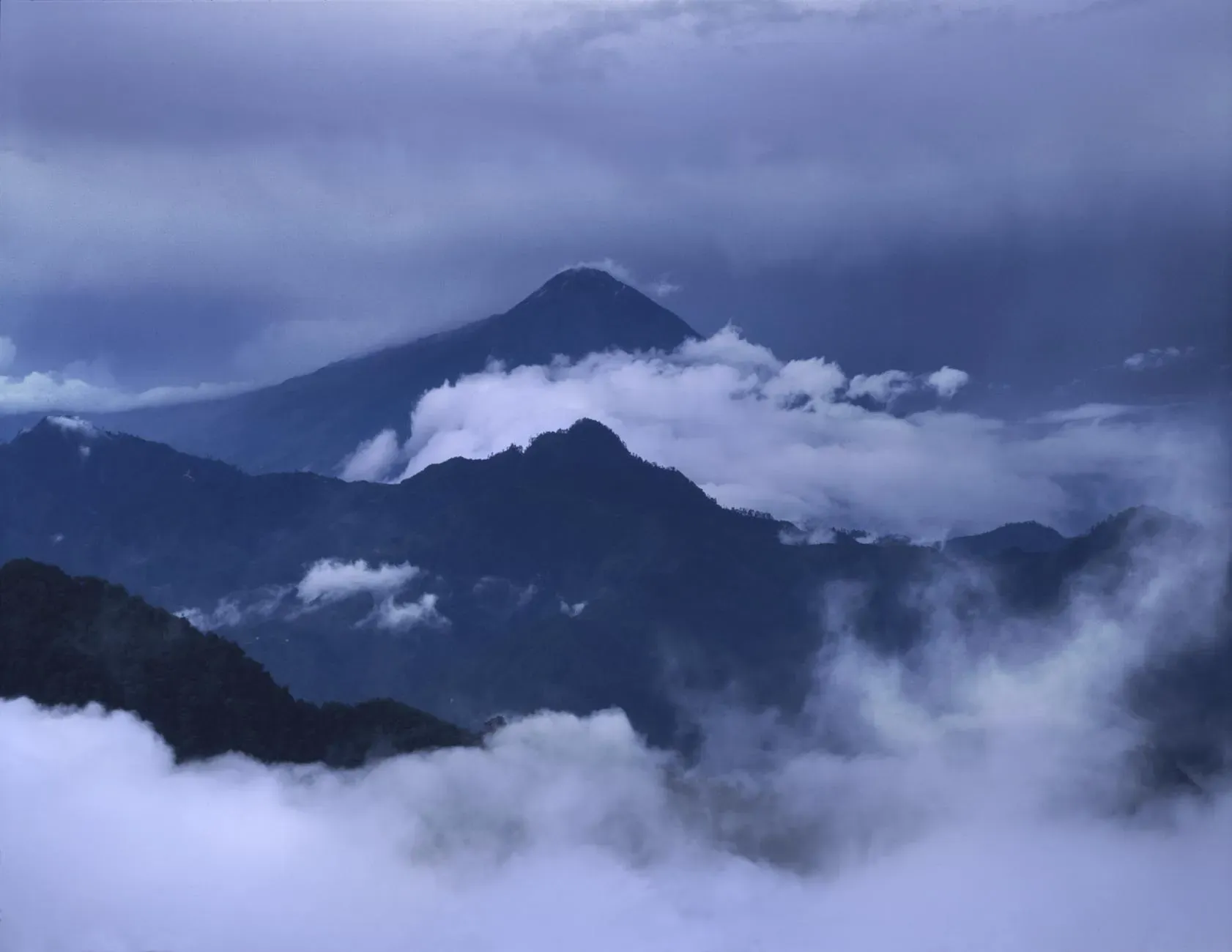
Guatemala's retreat scene is anchored almost entirely by Lake Atitlán — a volcanic crater lake the Maya consider sacred — and the lakeside villages of San Marcos, San Pedro, and Santa Cruz. San Marcos in particular has become Central America's most concentrated village for yoga, meditation, breathwork, cacao ceremony, and plant-medicine retreats; the entire local economy is built around contemplative tourism. Mayan spiritual elders still offer ceremonies; vet carefully and prefer centers that work with community-recognised guides rather than appropriating practice. Guatemala's highlands offer cool, comfortable retreat conditions year-round, with the dry season (November–April) most reliable. Antigua, the colonial capital, hosts smaller yoga and silent retreats in restored convents. The Pacific coast has emerging surf-and-yoga options. English is widely spoken at international retreat centers; food is vegetarian or vegan at most. Most Western passports get visa-free entry for 90 days (CA-4 region). Cost is among the most affordable in Latin America — week-long retreats run $500–$1,800 with high quality at the lower end; longer plant-medicine programs typically $1,200–$3,500. Guatemala is well-suited for travellers comparing it against Costa Rica or Peru.
 Paid
 Paid
 Paid
 Paid
 Paid
Photo: Mario Spencer / Pexels
 Paid
 Paid
 Paid
Photo: Andy Atkins / Pexels
 Paid