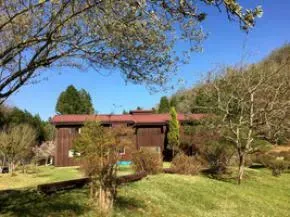
Dhamma Bhānu
Vipassana in rural Kyoto, Japan.
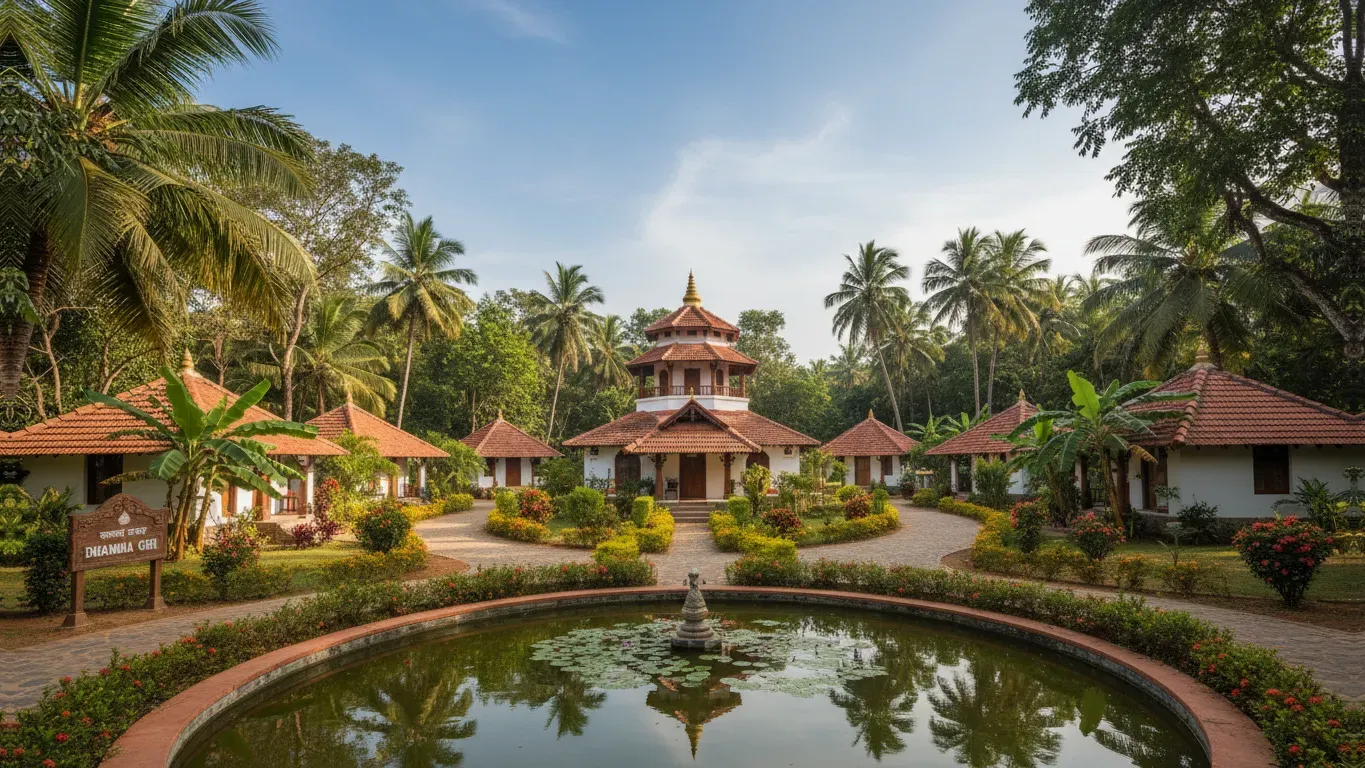
set in the tranquil, forested countryside of Kyoto prefecture, Dhamma Bhānu offers a serene escape for those seeking to deepen their meditation practice. As the first Vipassana meditation center established in Japan, it holds a special place, providing a peaceful environment surrounded by farmland. The center welcomes participants from across Japan and beyond, with courses conducted in both English and Japanese. Its rural setting, easily accessible by public transport from Kyoto, makes it an ideal location for focused introspection. With a capacity for 65 students, Dhamma Bhānu fosters a supportive community dedicated to the practice of Vipassana, administered by the non-profit Japan Vipassana Association.
Highlights
- First Vipassana center established in Japan (1989)
- Courses offered in both English and Japanese
- Peaceful rural setting surrounded by forest and farmland
- Easily accessible by public transport from Kyoto JR station
Good for
Setting
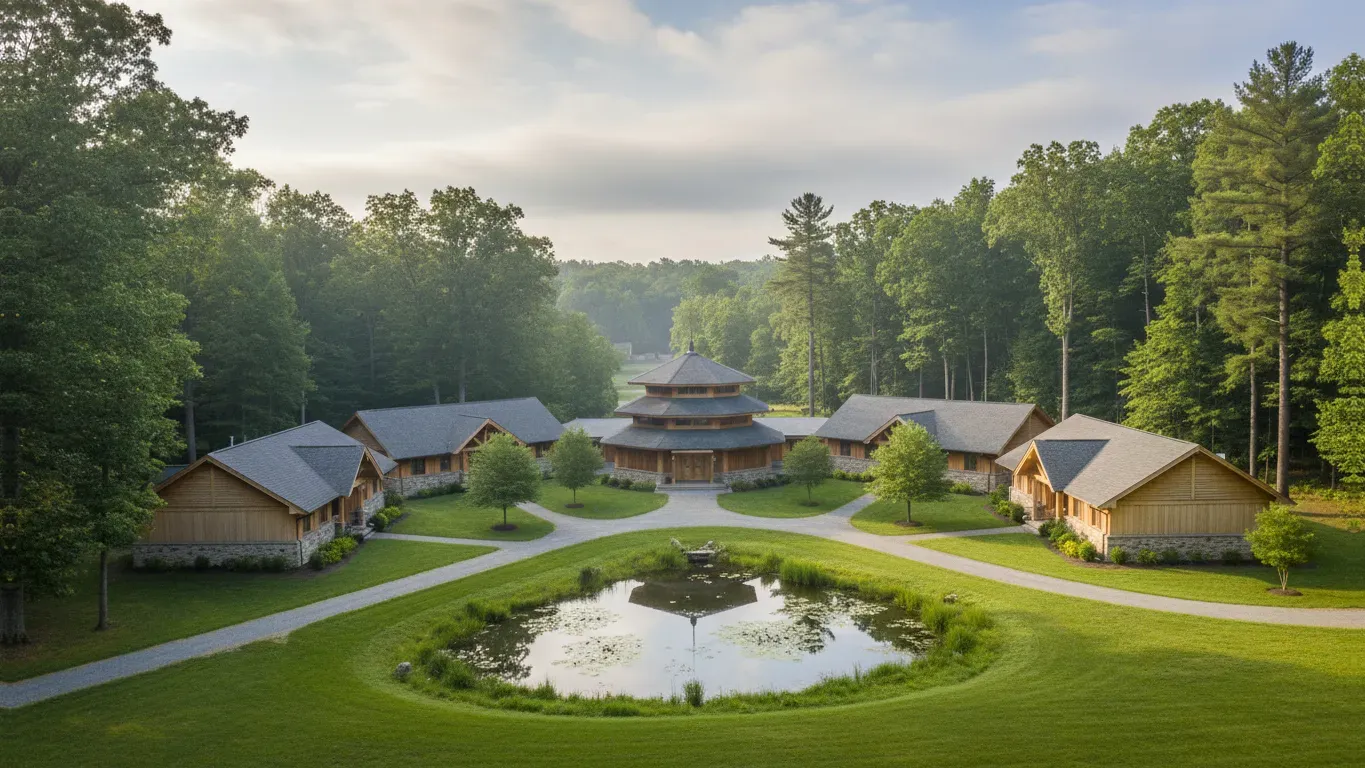
The center is situated in a peaceful rural area within the northwestern part of Kyoto prefecture. It is surrounded by lush forests and active farmland, offering a quiet and natural environment conducive to meditation and introspection. The atmosphere is one of calm and seclusion, despite being relatively accessible from major cities.
The practice
Dhamma Bhānu teaches Vipassana meditation, a practice focused on self-observation to purify the mind. Participants learn to observe the natural, changing nature of mind and body through silent introspection, developing equanimity and wisdom. The technique aims to eradicate mental impurities and achieve lasting peace.
A typical day
Daily structure at Dhamma Bhānu typically involves a rigorous schedule of silent meditation sittings, interspersed with short breaks and vegetarian meals. The day begins early and concludes in the evening, with instruction and discourses guiding practitioners through the Vipassana technique. Specific timings vary by course.
Accommodation
Dhamma Bhānu can accommodate up to 65 students, in addition to teachers and management. Specific details about room types (e.g., single, shared) are not provided, but the capacity suggests a communal living arrangement typical of meditation centers.
What to bring
Given the Vipassana tradition, bring comfortable, modest clothing suitable for sitting meditation. Kyoto's climate suggests warmer layers for cooler months (December-February) and lighter, breathable clothing for warmer periods (July-September).
How to get there
Dhamma Bhānu is located in Funai-gun, Kyoto, and is easily accessible by public transport. From Kyoto JR station, you can take a combination of rail and bus services directly to the center, with the journey lasting approximately 90 minutes.
Nearest airport: Osaka Itami International Airport (ITM) (43 km)
Osaka Itami International Airport (ITM) is approximately 43 km from the center. Travelers would typically arrange for public transport or a taxi from the airport to Kyoto JR station, and then proceed to the center.
Nearest city: Osaka
Public transport: Public transport options, including rail and bus, are available from Kyoto JR station.
Details on the booking process are not provided, but typically involve applying through the center's website.
Courses at Dhamma Bhānu run by donation, meaning there is no set fee for participation. The center is sustained by voluntary contributions from former students.
Interested in this center? Check availability and upcoming retreats on their official site.
Visit Dhamma Bhānu websiteClimate
Climate Zone: Temperate
Best Months: Nov, Jan, Feb
Avoid: Oct, Jun, Mar
Funai-gun experiences a temperate climate with an annual average temperature of 14.2°C. Summers (July-September) are the warmest and also among the wettest, while winters (December-February) are the coolest and driest. Spring and autumn offer milder conditions, but rain can occur throughout the year.
Location
Frequently asked questions
How can I get to Dhamma Bhānu using public transport?
The center is easily reached by public transport from Kyoto JR station, which offers rail and bus services. The journey typically takes about 90 minutes.
Are the courses suitable for beginners?
Yes, Vipassana courses at Dhamma Bhānu are designed to be accessible for both beginners and experienced meditators. The instruction is gradual and supportive.
In what languages are the meditation courses conducted?
Courses at Dhamma Bhānu are conducted in both English and Japanese, making them accessible to a wide range of participants.
What is the capacity for students at the center?
Dhamma Bhānu has the capacity to accommodate up to 65 students for its meditation courses.
What is the cost of attending a retreat at Dhamma Bhānu?
Dhamma Bhānu operates entirely on a donation basis. There is no fixed fee for attending courses; they are supported by the generosity of past students.
Reviews
No reviews yet — be the first to share your experience!
More centers in Japan
View all →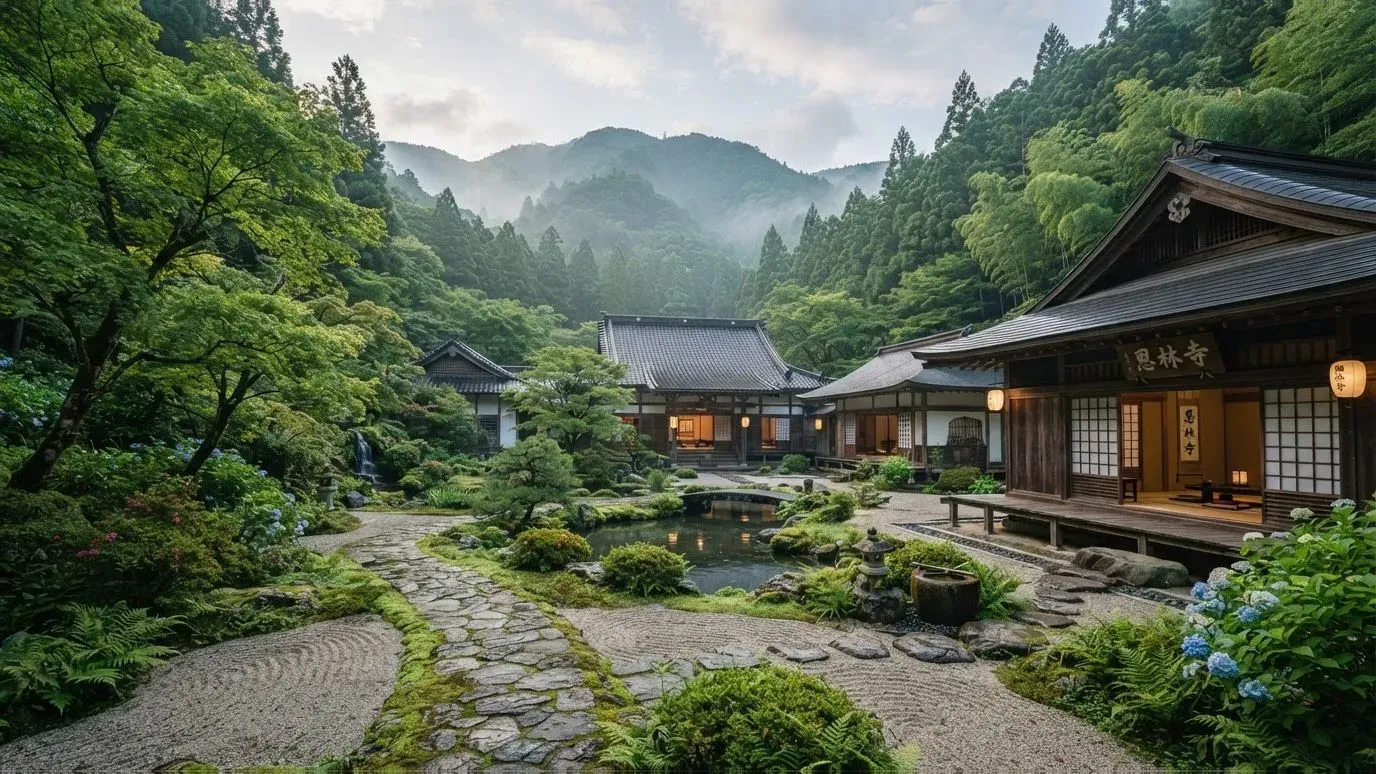 Donation
AI-generated
Donation
AI-generated
mikikouj
A meditation retreat in Kamakura’s Zaimokuza area, running by donation.
 Donation
AI-generated
Donation
AI-generated
sumeba
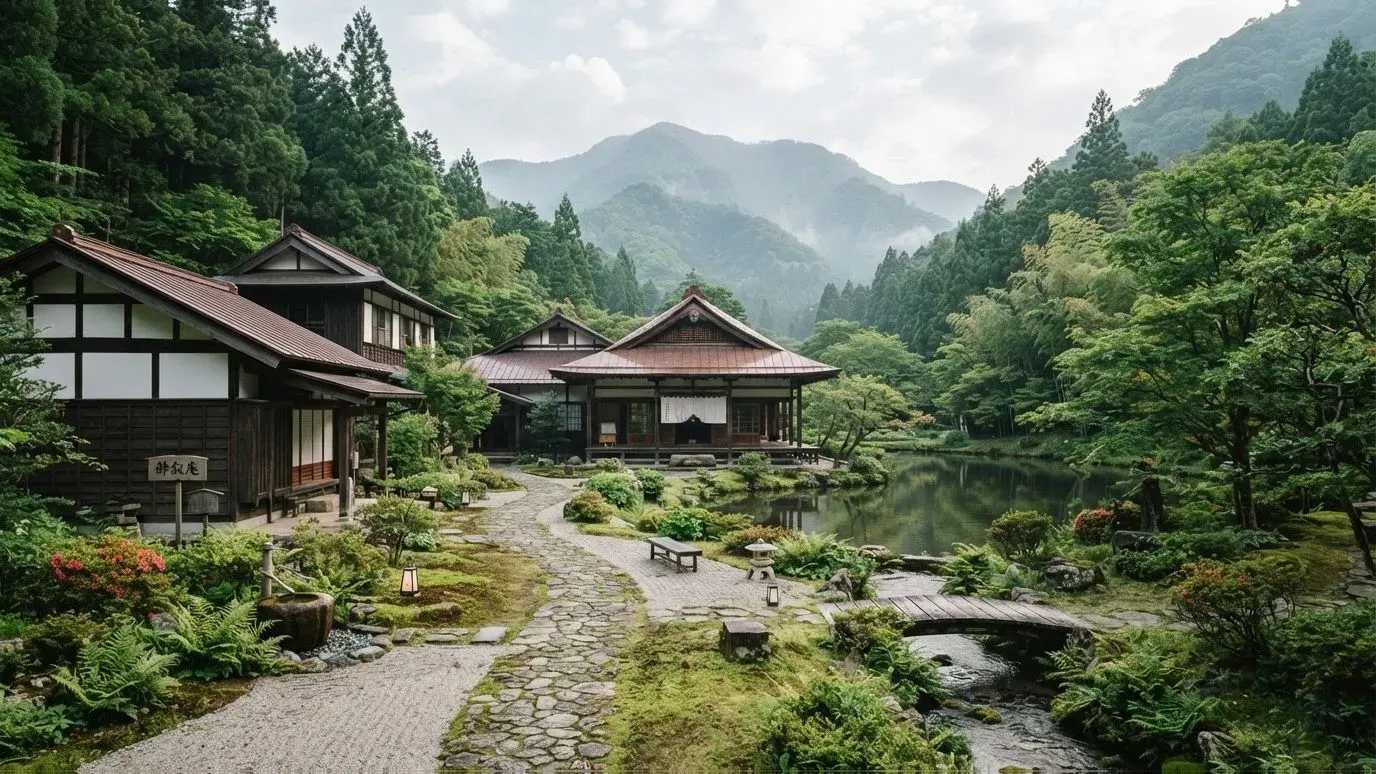
A donation-supported retreat destination in Chōsei, with practical visit details best confirmed directly before travel.
 Donation
Photo: Ken Cheung / Pexels
Donation
Photo: Ken Cheung / Pexels ZenStyle / Japanese Acupuncture + Hand Treatment
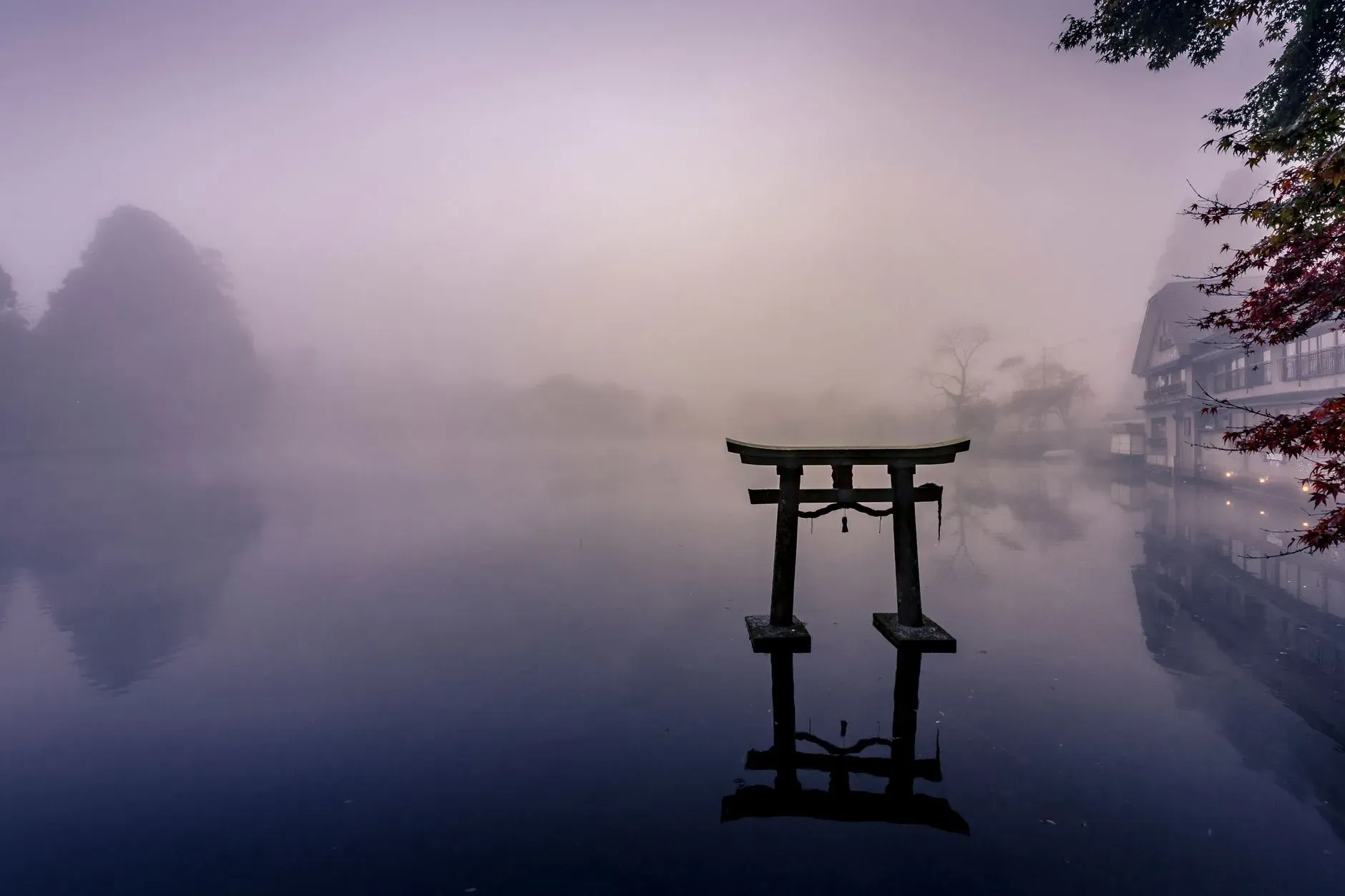
A Yufu practice focused on Japanese acupuncture and hand treatment, with visits running by donation.
 Paid
Paid Ecoasis Mami Wata
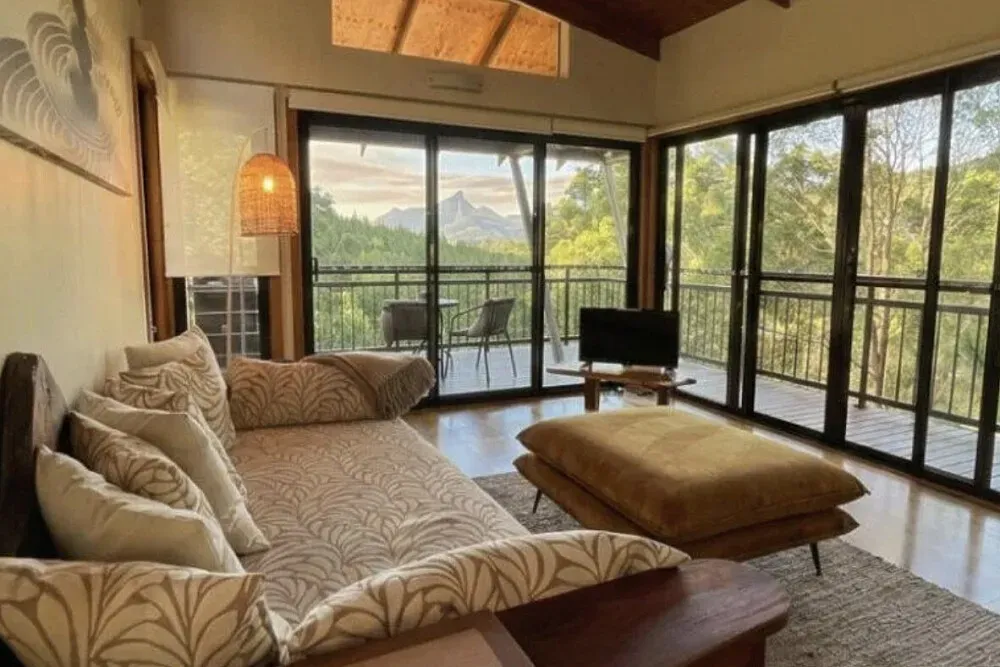
A land-centered retreat setting on Bundjalung Country, with each gathering shaped by its own program and details to confirm.
Other Goenka (S.N. Goenka) centers
View all →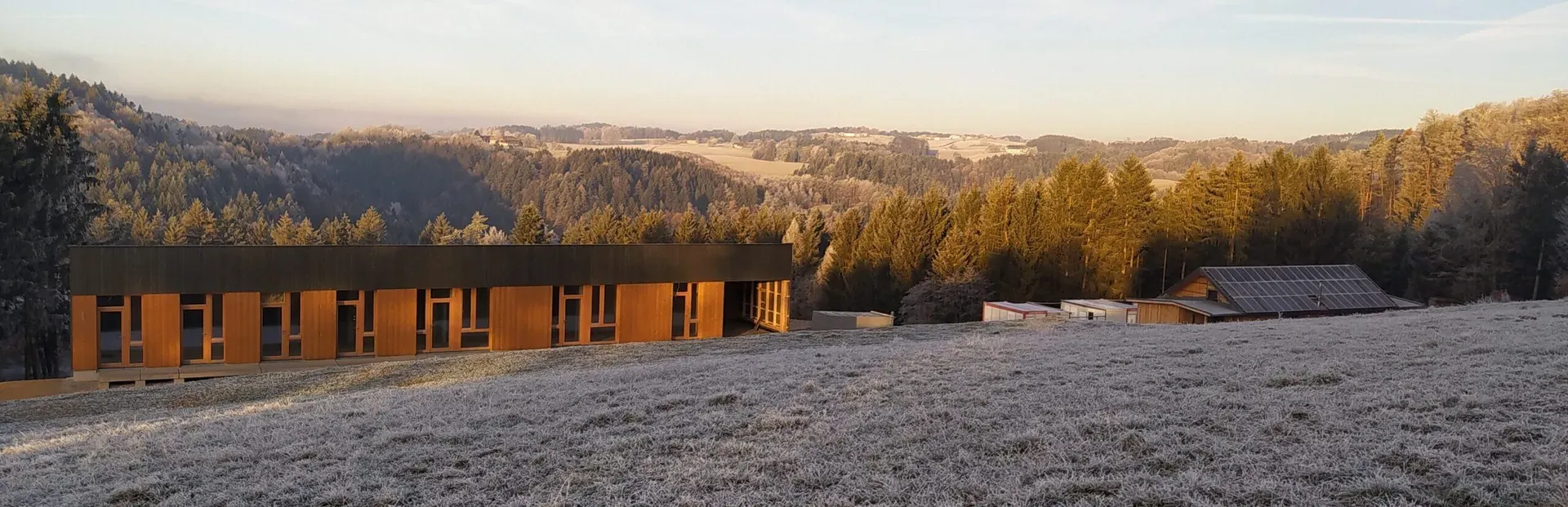 Donation
 Dhamma Mudita
Vipassana meditation in Austria, offering 10-day silent retreats for inner peace.
 Donation
Photo: Iker Fernandez / Unsplash
Donation
Photo: Iker Fernandez / Unsplash Dhamma Sacca
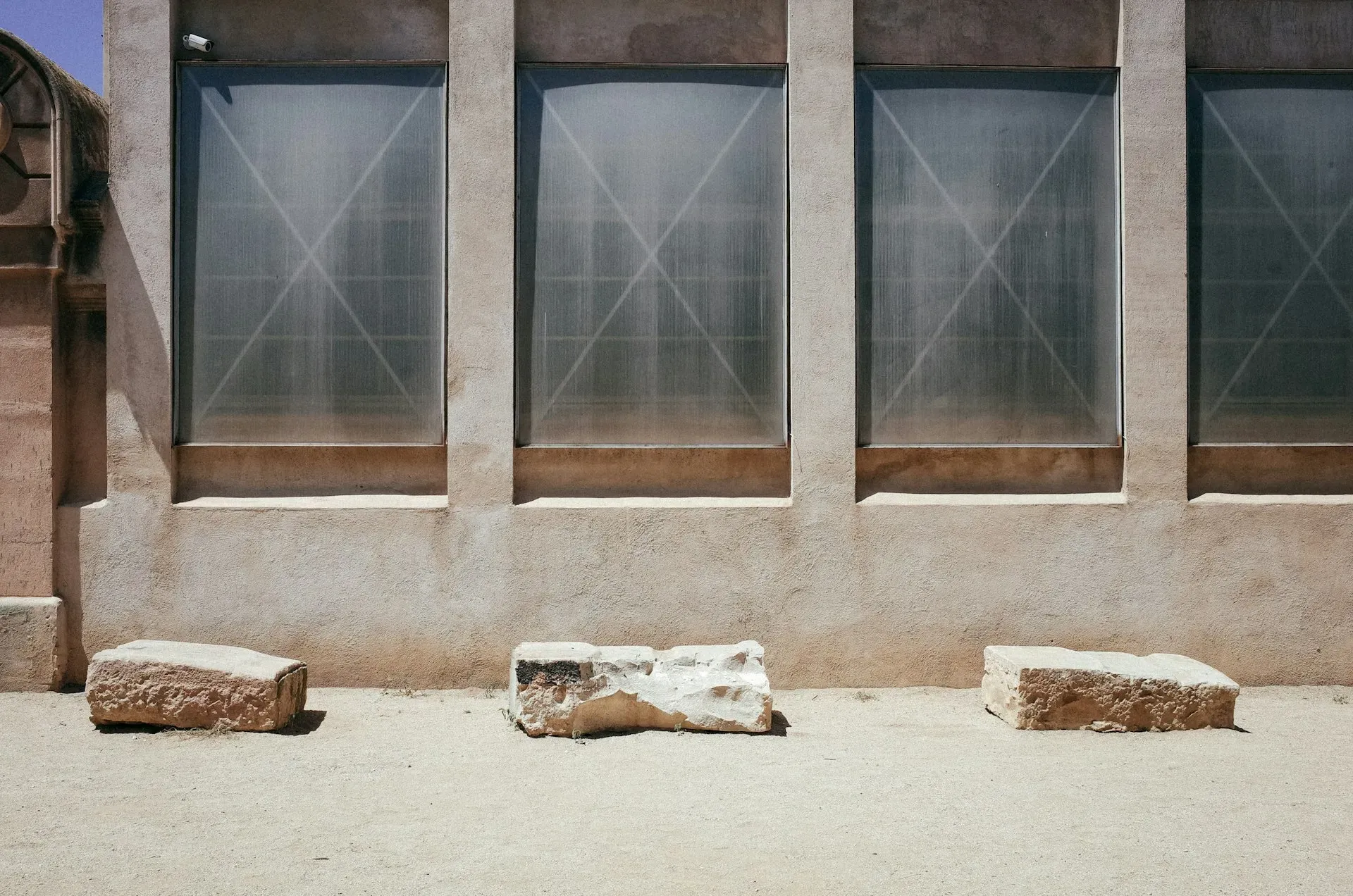
Accessible meditation in Barcelona, operating by donation.
 Donation
AI-generated
Donation
AI-generated
Dhamma Manjusha
Vipassana meditation in the tradition of S.N. Goenka.
 Donation
AI-generated
Donation
AI-generated
Dhamma Pubbananda
Dhamma Pubbananda offers popular, runs by donation meditation courses in Claymont.