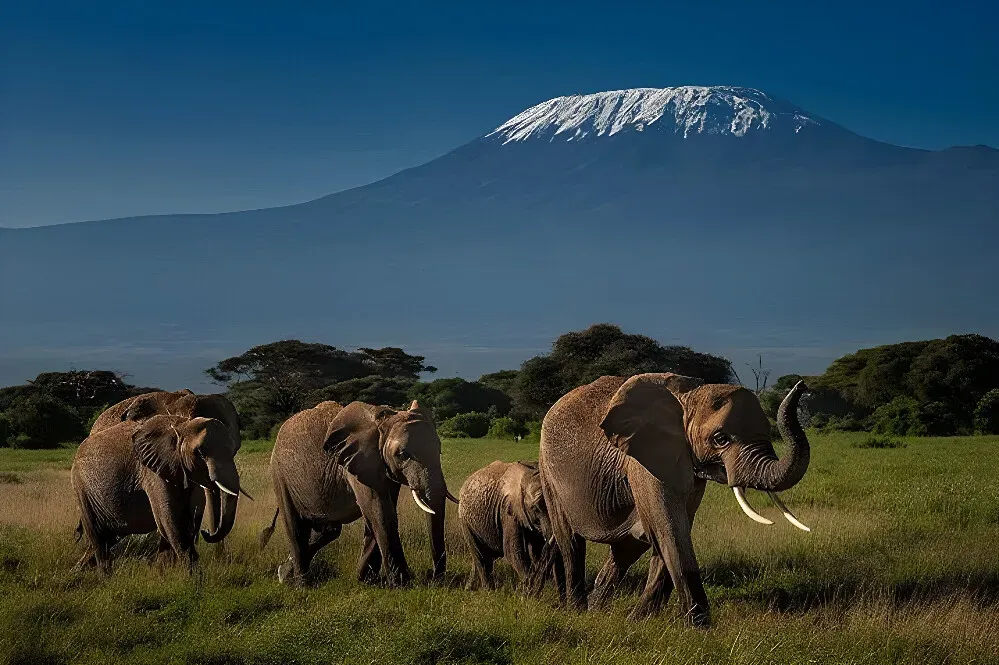
Mount Kenya National Park
Climb Mount Kenya, embrace the wild.
Mount Kenya National Park offers a unique retreat experience, focusing on adventure and immersion in nature rather than traditional meditation practices. This isn't your typical quiet sanctuary; instead, it's an opportunity to challenge yourself physically and mentally amidst breathtaking landscapes. The primary activity here is a multi-day trek up Mount Kenya, providing a profound connection to the natural world and a chance for introspection through the rigors of the climb. Expect stunning vistas, diverse ecosystems, and the satisfaction of reaching high altitudes. While formal meditation isn't on the agenda, the journey itself can be a powerful form of moving meditation, fostering mindfulness and resilience.
Highlights
- A challenging 4-day climbing expedition up Mount Kenya
- Traverse the scenic Sirimon-Chogoria route
- Experience diverse ecosystems from forest to alpine desert
- Breathtaking panoramic views from high altitudes
Good for
Setting
The retreat unfolds within the dramatic and diverse landscapes of Mount Kenya National Park, a UNESCO World Heritage site. From dense forests and bamboo zones to alpine moorlands and glaciated peaks, the environment is rugged, wild, and awe-inspiring. The air is crisp, and the views are panoramic, offering a profound sense of remoteness and natural beauty.
The practice
This experience is centered around a multi-day mountain trek, which serves as a form of active meditation and self-discovery. Participants engage in sustained physical effort, navigating varied terrain, and adapting to changing conditions. The focus is on present-moment awareness through movement and observation of the natural environment, rather than seated meditation.
A typical day
A typical day involves early mornings, a hearty breakfast, and several hours of trekking through different ecological zones. There are regular breaks for rest, hydration, and enjoying the scenery. Evenings are spent at mountain camps, with dinner, sharing experiences, and preparing for the next day's climb. The daily rhythm is dictated by the demands of the mountain.
Accommodation
Accommodation during the trek is typically in mountain huts or tents, providing basic shelter and a communal atmosphere. Specific details would depend on the tour operator, but expect functional rather than luxurious arrangements, designed to support the climbing expedition.
What to bring
Pack layers of clothing suitable for varied mountain weather, including warm gear for cool nights and waterproofs. Sturdy hiking boots are essential. Consider sun protection due to high altitude exposure.
How to get there
The starting point for the Mount Kenya trek is typically near Nanyuki. Travelers would generally fly into Nanyuki Airport (NYK) and then arrange ground transport to the park entrance or meeting point.
Nearest airport: Nanyuki Airport (NYK) (96 km)
Nanyuki Airport (NYK) is approximately 96 km from the general area of Mount Kenya National Park. Travelers would need to arrange a taxi or pre-booked shuttle from the airport to their accommodation or the trek's starting point.
Nearest city: Nanyuki
Reservations are made directly through the tour operator's website.
This is a paid expedition; specific pricing details would be available directly from the tour operator.
Interested in this center? Check availability and upcoming retreats on their official site.
Visit Mount Kenya National Park websiteClimate
Climate Zone: Subtropical
Best Months: Sep, Jan, Feb
Avoid: Apr, Nov, Mar
Mount Kenya experiences a diverse climate, with an average annual temperature of 24.6°C. The warmest months are February, March, and October, while July, August, and November are cooler. The driest periods, ideal for trekking, are September, January, and February, though conditions can change rapidly at high altitudes.
Location
Frequently asked questions
What is the best time of year to climb Mount Kenya?
The driest months, September, January, and February, are generally considered the best times for climbing Mount Kenya, offering clearer skies and more stable weather conditions.
Is prior climbing experience required for this expedition?
While specific climbing experience is not mentioned, a good level of physical fitness and endurance is essential for a multi-day trek at high altitudes. It's advisable to consult with the tour operator regarding fitness requirements.
What kind of gear should I bring for the Mount Kenya trek?
Given the varied climate, you should bring layers of clothing suitable for both warm days and cold nights, including waterproof and windproof outerwear. Sturdy hiking boots, a sleeping bag, and a daypack are also important. The average annual temperature is 24.6°C, but temperatures drop significantly at higher elevations.
How do I book this Mount Kenya expedition?
Booking details are typically handled through the tour operator, Lisam Tours Kenya, via their website or direct contact. Please refer to the provided website for specific booking instructions.
Reviews
No reviews yet — be the first to share your experience!
More centers in Kenya
View all → Paid
Photo: neil macc / Unsplash
Villa Shalimar
A private beachfront villa with en-suite rooms and shared spaces for small-group retreats on Kenya’s Indian Ocean coast.
 Paid
Photo: neil macc / Unsplash
Nyumba Kavunjeni
A sea-view villa near Malindi with a private pool and rooftop spaces for small-group wellness, reflection and creative retreats.
 Paid
Pumua Village, Meditation Practice Center
A countryside meditation practice center near Nairobi, focused on learning to live more fully in the present moment.
 Paid
Kilima Gardens
A family-run eco-luxury retreat with an infinity pool, wood-fired sauna and Mount Kenya views among native bush.