Temple of the Way of Light
Amazonian healing, ancient wisdom, modern care.
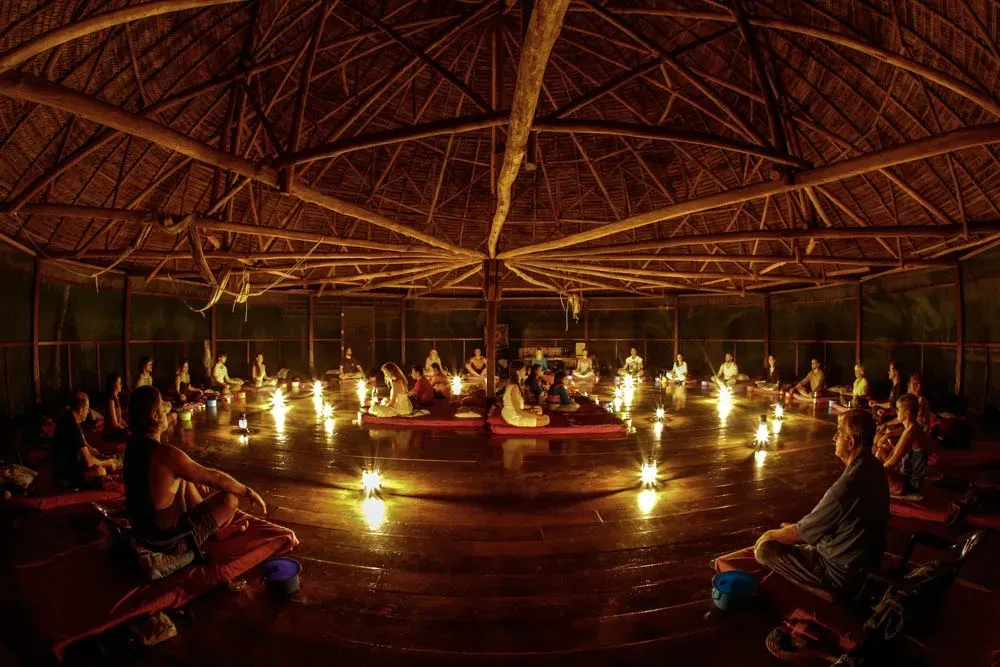
Deep in the Peruvian Amazon, the Temple of the Way of Light offers a unique healing journey rooted in ancient Shipibo traditions, blended with modern and Eastern integrative practices. Since 2007, this pioneering center has welcomed thousands of guests from around the globe, establishing itself as a respected and safe space for plant-spirit shamanism. The Temple prides itself on a balanced team of highly experienced female and male Shipibo healers, known as Onanya, whose collective wisdom spans over 250 years. These traditional healers are supported by Western facilitators, ensuring a smooth cultural bridge for all participants. The center's unwavering focus on compassion and safety extends from rigorous medical screenings before arrival to a dedicated aftercare program designed to support integration long after the retreat concludes.
Highlights
- Over 250 years of combined Shipibo healer experience
- Rigorous pre-retreat medical screening for guest safety
- High staff-to-guest ratio for personalized attention
- Developing a thorough 3-month aftercare program
- Synthesis of ancient Shipibo and modern integrative practices
Good for
Setting
set within the lush, vibrant ecosystem of the Peruvian Amazon, the center provides a serene and natural environment. The sounds and sights of the rainforest create a deeply immersive atmosphere, fostering a connection to nature that is integral to the healing process.
The practice
The Temple focuses on plant-spirit shamanism, primarily through ayahuasca ceremonies. This practice involves consuming a sacred plant brew guided by Shipibo healers (Onanya) to facilitate deep healing, self-discovery, and spiritual awakening. Participants can expect a structured approach that respects ancient traditions while integrating modern support for a safe and profound experience.
A typical day
Daily life at the Temple is structured around the healing process, including ayahuasca ceremonies, integration sessions, and time for personal reflection. The schedule is designed to support participants through their journey, with meals adhering to a special diet to prepare mind, body, and soul for the plant medicine work.
Accommodation
The specific lodging details are not provided, but the center emphasizes providing optimal conditions for profound healing, suggesting comfortable and conducive spaces for retreat participants.
What to bring
Given the Amazonian climate, pack light, breathable clothing suitable for warm and humid conditions. Consider insect repellent and rain gear. The center recommends booking flights a day before and after the retreat to allow for acclimatization and reintegration.
How to get there
You will need to fly into Iquitos International Airport (IQT). The Temple provides group transportation from a designated pickup location in central Iquitos to the center on the first morning of your retreat.
Nearest airport: Coronel FAP Francisco Secada Vignetta International Airport (IQT) (8 km)
The center does not provide direct airport transfer from Coronel FAP Francisco Secada Vignetta International Airport (IQT), which is approximately 8 km from Iquitos. You will need to arrange your own transport from the airport to the group pickup point in Iquitos.
Nearest city: Iquitos
Do not book flights or make travel arrangements until your registration and medical information have been reviewed and approved by the center.
The center operates on a paid model, with the retreat price including transportation from Iquitos to the Temple and back. It does not cover flights, hotel costs, or initial transport to the Iquitos pickup point.
Climate
Climate Zone: Tropical
Best Months: Sep, Jul, Aug
Avoid: Feb, May, Mar
Iquitos experiences a tropical climate with an annual average temperature of 25.9°C. The warmest months are December, January, and November, while May, June, and July are slightly cooler. The wettest months are February, March, and May, so be prepared for rain, especially during these times. The driest period is typically from July to September.
Location
Frequently asked questions
What kind of dietary restrictions should I expect during my stay?
Adhering to a special diet is a important part of working with ayahuasca. The Temple provides well-rounded, healthy, and plentiful meals that follow essential restrictions common to Amazonian ayahuasquero traditions, preparing you for the healing process.
How do I get to the Temple once I arrive in Iquitos?
The retreat price includes transportation from a designated pickup location in central Iquitos to the Temple on the first morning of your retreat, and back to Iquitos on the last morning. You will need to arrange your own travel to the pickup point in Iquitos.
What kind of support is available after the retreat ends?
The Temple views the ayahuasca experience as a continuum and is developing a thorough 3-month aftercare program, offered free to all guests. This includes a private Facebook integration group, a team of integration guides, and a network of affiliated therapists.
Are there both male and female healers at the Temple?
Yes, all ayahuasca healing retreats at the Temple feature a balance of highly experienced female and male healers (Onanya) from the indigenous Shipibo tribe, ensuring a diverse and rich healing experience.
What languages are used for instruction and facilitation?
While the specific languages are not explicitly stated, the presence of Western facilitators acting as a "critical cultural bridge" suggests that English, at minimum, is used for instruction and support, alongside the indigenous Shipibo language.
Reviews
No reviews yet — be the first to share your experience!
More centers in Peru
View all →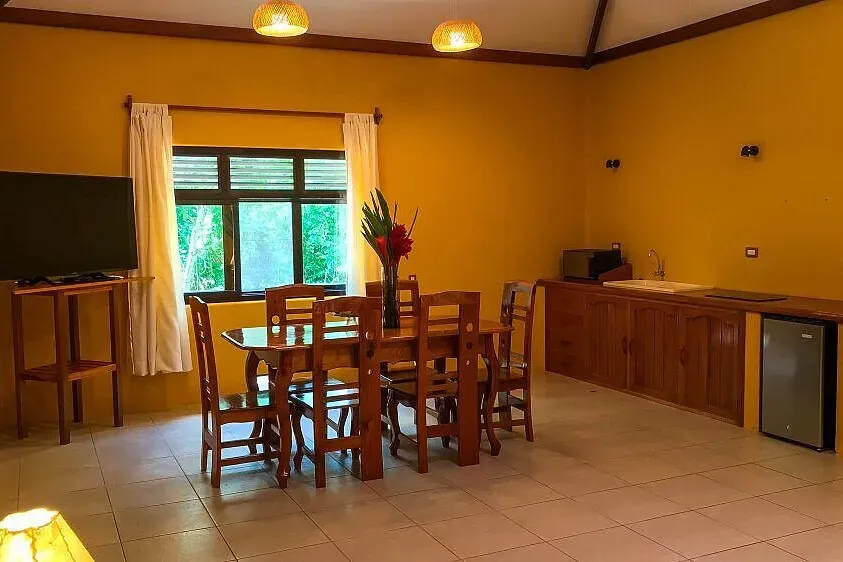 Paid
Paid Cordillera Escalera Ecolodge
A bungalow ecolodge near Tarapoto, with forest surroundings beside the Cordillera Escalera regional conservation area.
 Paid
Paid Punqu
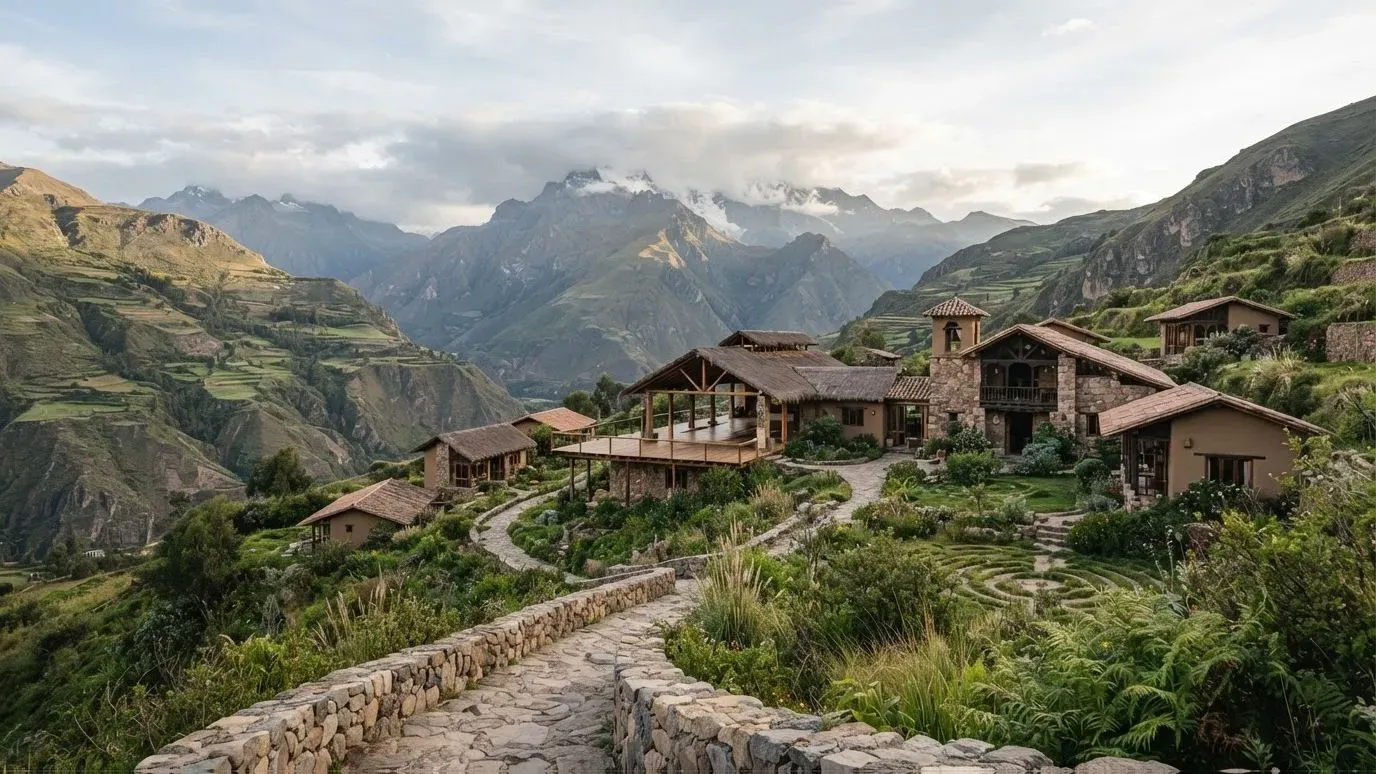
Private ayahuasca retreats for up to four guests, combining ceremony, spiritual reflection, and integration in Peru’s Sacred Valley.
 Paid
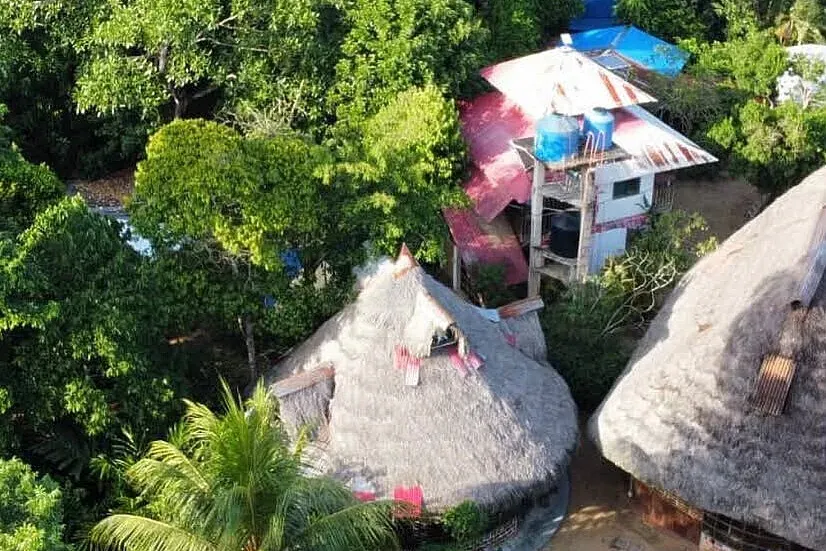
Paid Dos Mundos
A nature-filled Amazon retreat for plant-medicine teachings, meditation, yoga, ceremony, and nourishing meals in a communal setting.
 Donation
AI-generated
Donation
AI-generated
Melanie Benitez
A donation-supported retreat contact in Lima, with dates and visit details arranged directly with Melanie Benitez.