SITTRAM éco-retraite spirituel
Rooted in nature, guided by spirit
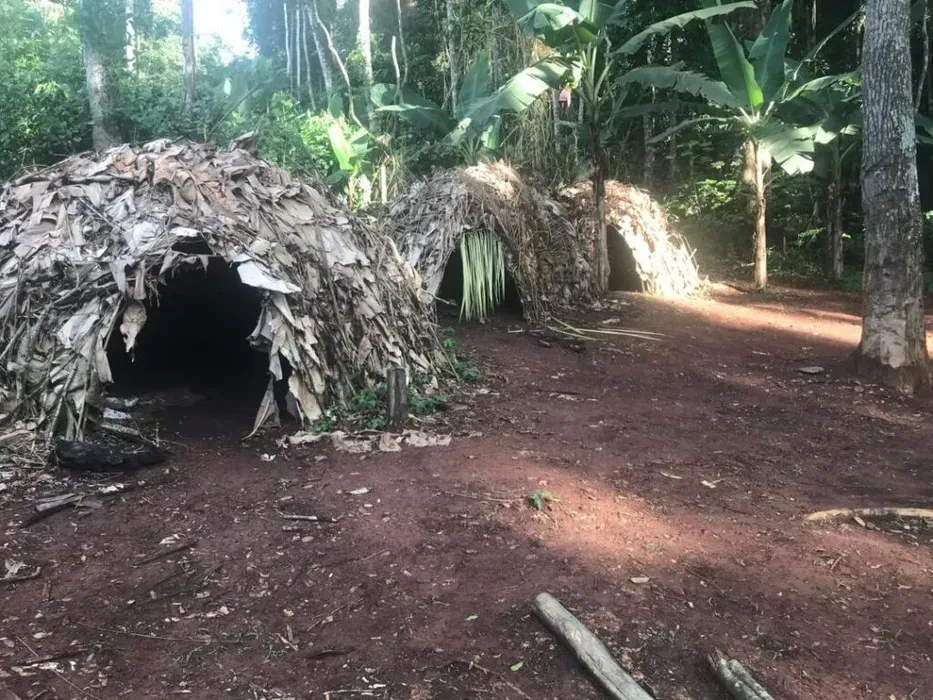
A return to nature and African ancestral roots shapes the spirit of SITTRAM éco-retraite spirituel. In Abong-Mbang, this retreat pairs spiritual reflection with simple, close-to-the-earth living: guests sleep in traditional huts made from wood fibre and leaves, or camp in a secured clearing. The huts accommodate two to three people, with cotton sheets and a mat; solar lamps light the rooms, which have no electricity. Local dishes bring the experience to the table, from koko with couscous to peanut sauce with manioc and plantain with pistachio preparations. The center describes its purpose as helping visitors reconnect with themselves, nature and their roots, with space for the body, mind and spirit to settle. Stays run by donation, making it especially important to confirm arrangements before travelling. Expect a rustic retreat rather than hotel-style comforts, with nature and local food central to the experience.
Highlights
- Traditional huts built from wood fibre and leaves
- Solar lamps in rooms without electricity
- A secured clearing for camping
- Local dishes such as koko with couscous and peanut sauce with manioc
Good for
Setting
In Abong-Mbang, the retreat’s emphasis is on reconnecting with nature and African roots. Traditional huts and a camping clearing create a rustic atmosphere shaped by simple comforts and outdoor living.
The practice
SITTRAM describes its approach as spiritual reconnection with nature and African ancestral roots, rather than naming a formal meditation lineage. Visitors can expect a retreat centered on reflection and an earthy, traditional setting. Specific practices and session formats are not outlined, so newcomers should check with the center before planning around a particular discipline.
A typical day
Daily structure varies by retreat. The setting supports a slower rhythm, with time for reflection, local meals and being close to nature, but confirm the program and session timings with the center.
Accommodation
Guests can stay in traditional huts built from wood fibre and leaves. Each accommodates two to three people and has a mat, cotton sheets and a solar lamp, but no electricity. A secured clearing is available for camping.
What to bring
Pack light, breathable clothing and a rain layer, especially from July to October, the wetter part of the year. A small torch and any personal essentials are useful for hut stays, where there is no electricity and solar lamps are provided.
How to get there
International travelers can arrive via Yaoundé Nsimalen or Douala. The route described by the center continues by air to Bertoua, then by bus to Abong-Mbang; contact the center on arrival for the final arrangements.
Nearest airport: Yaoundé Nsimalen International Airport (NSI) (182 km)
Yaoundé Nsimalen International Airport (NSI) is approximately 182 km from the center. No center transfer is specified, so arrange onward transport to Abong-Mbang in advance.
Nearest city: Yaoundé
Public transport: A bus connection from Bertoua to Abong-Mbang is described; confirm current schedules before travelling.
Contact the center directly to reserve and confirm dates.
The retreat runs by donation, with no fixed fee stated. Confirm the expected contribution and what it covers with the center.
Climate
Climate Zone: Subtropical
Best Months: Dec, Feb, Nov
Avoid: Oct, Jul, Sep
The annual average temperature is about 23.4°C, with warmer conditions typically from February to April and cooler months from July to September. Rain is more frequent in July, September and October, while November, December and February tend to be drier.
Location
Frequently asked questions
What is the accommodation like at SITTRAM?
The traditional huts sleep two to three people and have a mat, cotton sheets and a solar lamp. They have no electricity; camping in a secured clearing is another option.
Can beginners take part in the retreat?
The center’s stated aim is to accompany each person in reconnecting with self, nature and African roots. Ask the center about any prerequisites for a particular retreat.
What food is served?
Meals include local dishes such as koko with couscous, peanut sauce with manioc, mbol with couscous, and pistachio preparations with plantain. Vegetarian, organic and dairy-free options are listed.
How do I book a stay?
Contact the center directly to arrange dates and practical details before travelling.
Reviews
No reviews yet — be the first to share your experience!