Aracari Project
Ancestral wisdom for modern personal evolution.
Aracari Project in Nosara, Costa Rica, offers a unique bridge between ancient Amazonian plant medicine traditions and the demands of contemporary life. This cultural and educational organization focuses on personal evolution through ancestral practices, including Ayahuasca, ceremonial medicine, and ethnobotanical protocols. They prioritize intimate gatherings, capping attendance at 12 people to ensure a deeply personal and supportive experience. Each ceremony is conducted within a sacred container, guided by experienced facilitators steeped in indigenous traditions. What sets Aracari Project apart is their holistic approach, emphasizing rigorous preparation, thorough ceremonial support, and long-term integration, recognizing that the journey of transformation extends far beyond the ceremony itself. It's a profound opportunity for those seeking genuine care and a structured path for personal growth.
Highlights
- Intentionally small gatherings, maximum 12 people
- Rigorous preparation and long-term integration support
- Ceremonies led by experienced facilitators trained in indigenous traditions
- Focus on bridging indigenous Amazonian wisdom with modern life
Good for
Setting
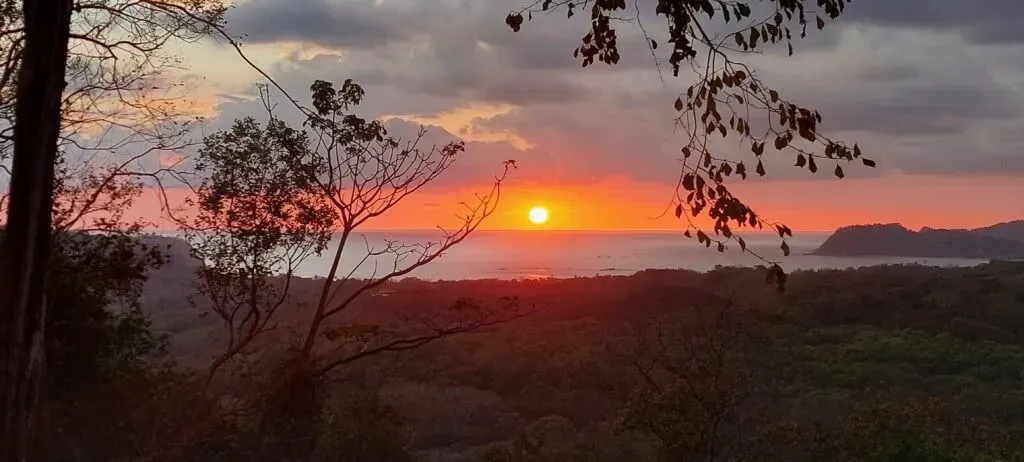
set in Nosara, Guanacaste Province, Costa Rica, the center is situated in a region known for its natural beauty. While specific details about the immediate surroundings are not provided, the location suggests a serene and natural environment conducive to deep inner work and connection with the earth.
The practice
Aracari Project centers on ancestral plant medicine traditions, particularly indigenous Amazonian wisdom, including Ayahuasca and ceremonial medicine. The practice involves carefully facilitated ceremonies within a sacred container, emphasizing preparation, support during the experience, and important integration afterward. Participants can expect a structured approach to working with these powerful traditions for personal growth.
A typical day
The daily structure at Aracari Project is not explicitly detailed but is designed around the ceremonial medicine work. Given the emphasis on preparation, ceremonial support, and integration, days likely involve periods of reflection, group discussions, and guided practices, all tailored to support the plant medicine journey. Specific schedules would vary by retreat.
Accommodation
Accommodation details are not specified, but given the focus on small group sizes and personalized care, it is likely designed to be comfortable and supportive of the retreat experience.
What to bring
Given the warm climate of Nosara, lightweight and breathable clothing is advisable. As the focus is on ancestral plant medicine, comfortable attire suitable for ceremonies and reflection would be appropriate. Consider bringing insect repellent and sun protection.
How to get there
The Aracari Project is located in Nosara, Guanacaste Province, Costa Rica. Specific directions to the center itself would be provided upon booking.
Nearest airport: Nosara Airport (NOB) (0 km)
Nosara Airport (NOB) is approximately 0 km from the center, making it a convenient arrival point. Transportation from the airport would need to be arranged directly with the center or via local services.
Nearest city: Nicoya
Pricing for retreats starts from USD500. Specific costs for different programs would be available upon inquiry.
Climate
Climate Zone: Tropical
Best Months: Mar, Feb, Jan
Avoid: Oct, Jun, May
Nosara experiences an annual average temperature of 26.3°C. The warmest months are April, March, and February, while the coolest are October, September, and June. The driest period is from January to March, and the wettest months are October, June, and May. Visitors should pack accordingly for warm, tropical weather, with potential for rain during the wet season.
Location
Frequently asked questions
What is the maximum group size for retreats?
Aracari Project intentionally keeps gatherings small, with a maximum of 12 participants, to ensure depth, integrity, and genuine care for each individual.
What kind of support is offered during and after the ceremonies?
The center provides rigorous preparation before, full ceremonial support during, and long-term integration assistance after the ceremonies. This holistic approach aims to support your journey of transformation thoroughly.
Are the facilitators experienced in indigenous traditions?
Yes, every ceremony is held in a sacred container with experienced facilitators who are trained in indigenous traditions, ensuring authentic and respectful guidance.
What is the primary focus of the Aracari Project?
The Aracari Project is a cultural and educational organization dedicated to personal evolution through ancestral plant medicine traditions, bridging indigenous Amazonian wisdom with the demands of modern life.
Reviews
No reviews yet — be the first to share your experience!
More centers in Costa Rica
View all →Sonora Jungle Caribbean Jungle Retreat
 Donation
AI-generated
Donation
AI-generated
Cascada Elysiana
A waterfall retreat venue in Costa Rica with a yoga studio, pool, air-conditioned rooms and space for groups of up to 40.
 Paid
Paid EgoZen Experiences
Personal inner work, plant-medicine themes, beach walks, and a medicinal garden on Costa Rica’s Caribbean coast.
 Donation
 Pura Vida Ecolodge
A low-impact rainforest lodge with sunset ocean views, a spring-water plunge pool, yoga space and home-cooked plant-based meals.