
Josei Toda International Center
A Tokyo doorway to Buddhist practice
Tokyo's Shinjuku ward gives the Josei Toda International Center an unmistakably urban address, while its name points to an international role within the Soka Gakkai community. It is identified as a Mahayana, Soka Gakkai center and runs by donation, so visitors can contribute without a stated fixed fee. Approach it as a place to make contact and ask about current activities, rather than as a retreat with an assumed timetable or overnight stay. That distinction matters when planning a city visit: the address is 15-3 Samon-cho, Shinjuku-ku, but access, session details and whether guests can join a gathering should be confirmed before setting out. For travelers curious about Buddhist practice in contemporary Japan, it offers a point of contact with Soka Gakkai in Tokyo. Check arrangements through the center's website and leave room in your itinerary for plans to depend on what is happening.
Highlights
- Josei Toda namesake
- International identity signaled by its title
- Online point of contact through SGI.org
Good for
Setting
The center's address is in Shinjuku-ku, part of Tokyo's densely urban landscape. Expect a city setting rather than a secluded retreat environment; confirm the exact entrance and visitor arrangements before making the trip.
The practice
Soka Gakkai is a lay Buddhist movement within the Mahayana tradition. Its practice is associated with faith, study and Buddhist practice in everyday life. Specific activities and the format of any visitor session at the Josei Toda International Center should be confirmed with the center, so newcomers can ask what to expect before attending.
A typical day
Daily structure varies by retreat or activity, so confirm it with the center. No fixed visitor timetable should be assumed.
Accommodation
Visitor lodging is not described. Plan to arrange accommodation elsewhere in Tokyo and confirm whether any overnight options are available directly with the center.
What to bring
Wear comfortable clothing suitable for sitting, and check with the center about any practice-specific items. Tokyo has hot, humid summers and cool winters, so pack seasonally, with light layers and rain protection as appropriate.
How to get there
Use 15-3 Samon-cho, Shinjuku-ku, Tokyo 160-0017 Japan as your destination in a map app, and confirm visitor access with the center before travelling.
Check SGI.org and contact the center to confirm how to arrange a visit.
The center runs by donation, with no fixed fee stated. Confirm any contribution expectations for a particular activity directly.
Interested in this center? Check availability and upcoming retreats on their official site.
Visit Josei Toda International Center websiteClimate
Tokyo has distinct seasons, with hot, humid summers and cool winters; spring and autumn are generally milder. Conditions vary by date, so check the forecast before travelling.
Frequently asked questions
Can I visit for a session during a trip to Tokyo?
Confirm current visitor access and session times with the center before setting out.
Is the center suitable for someone new to Buddhist practice?
Ask the center whether a current activity welcomes first-time visitors and what participation involves.
How do I arrange a visit?
Check SGI.org and contact the center to confirm arrangements before going.
What should I bring to attend?
Wear comfortable, modest clothing and ask the center whether anything specific is needed for the activity you plan to attend.
Are activities offered in English?
The center has an international identity, but confirm the language of a particular session directly.
Reviews
No reviews yet — be the first to share your experience!
More centers in Japan
View all →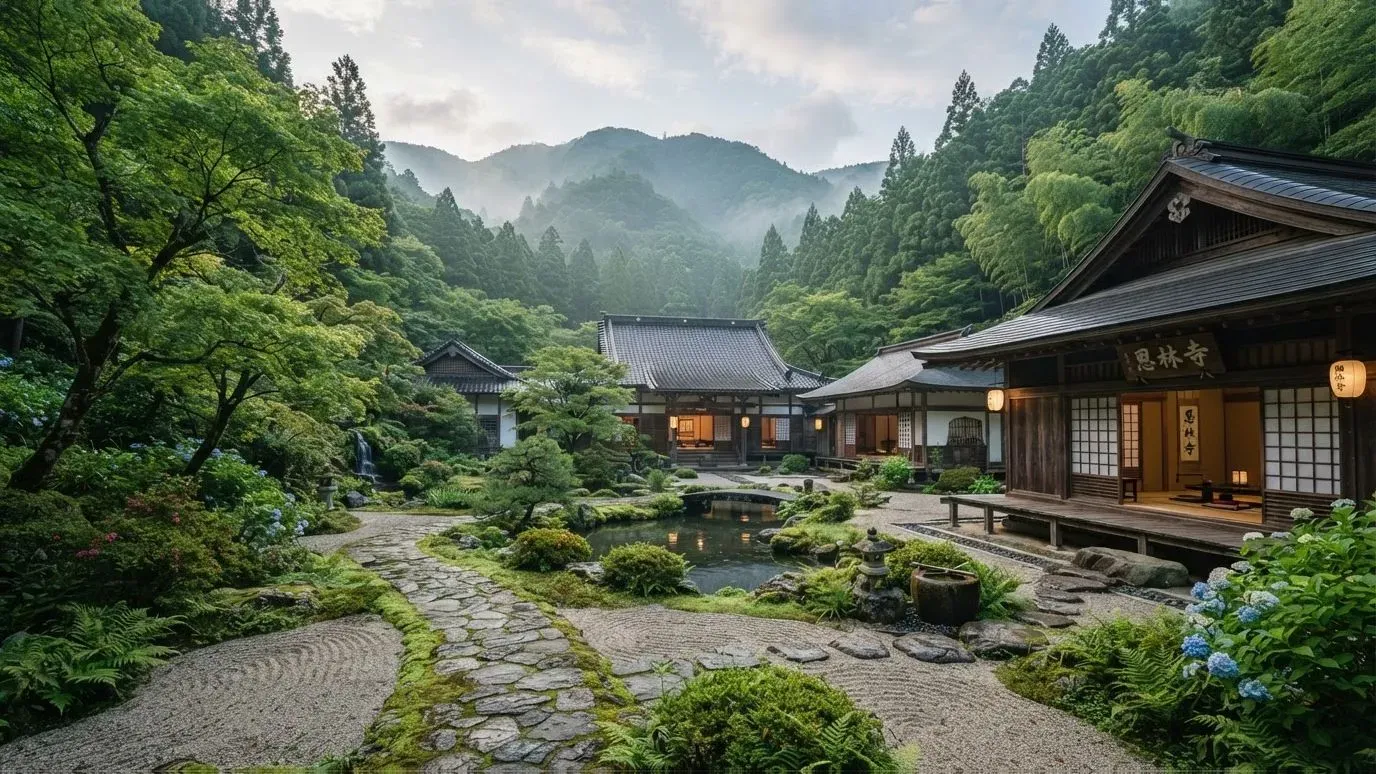 Donation
AI-generated
mikikouj
A meditation retreat in Kamakura’s Zaimokuza area, running by donation.
 Donation
AI-generated
sumeba
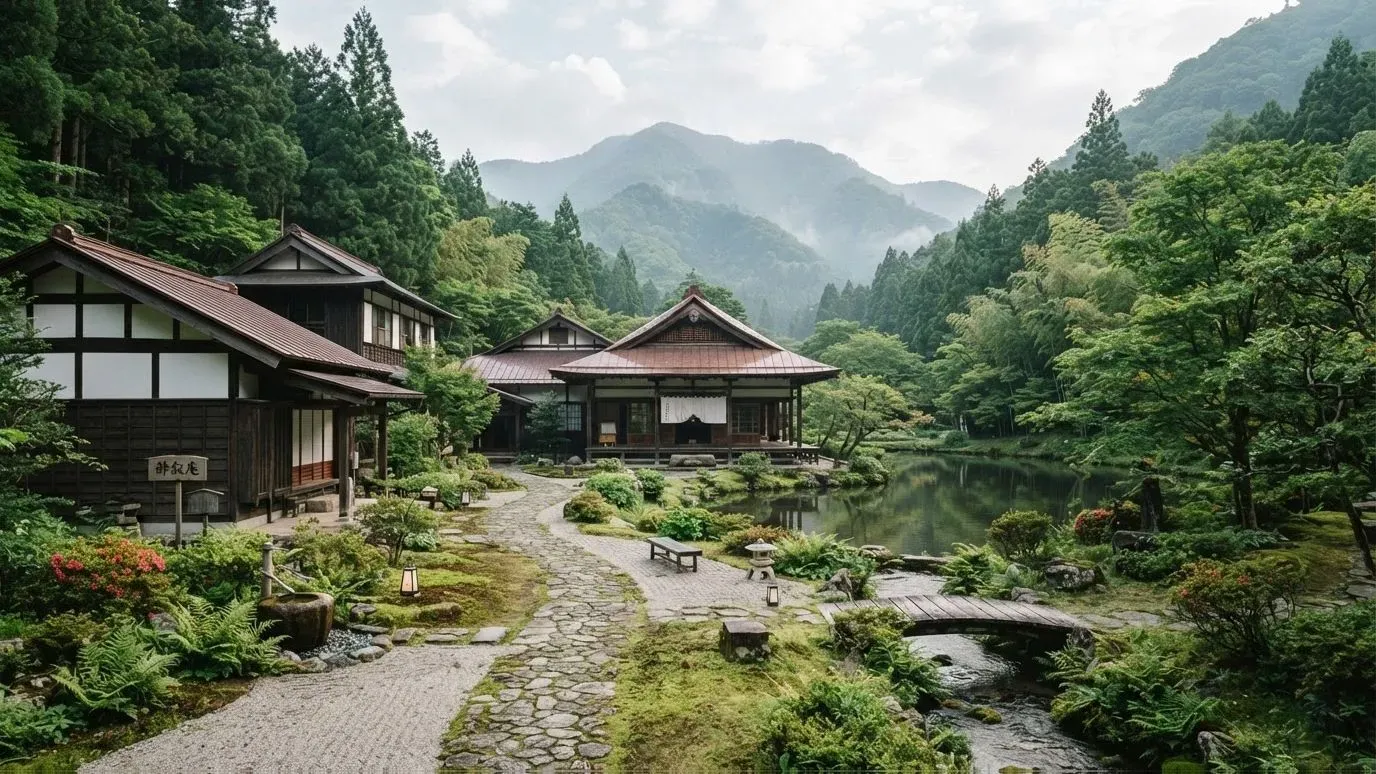
A donation-supported retreat destination in Chōsei, with practical visit details best confirmed directly before travel.
 Donation
Photo: Ken Cheung / Pexels
ZenStyle / Japanese Acupuncture + Hand Treatment
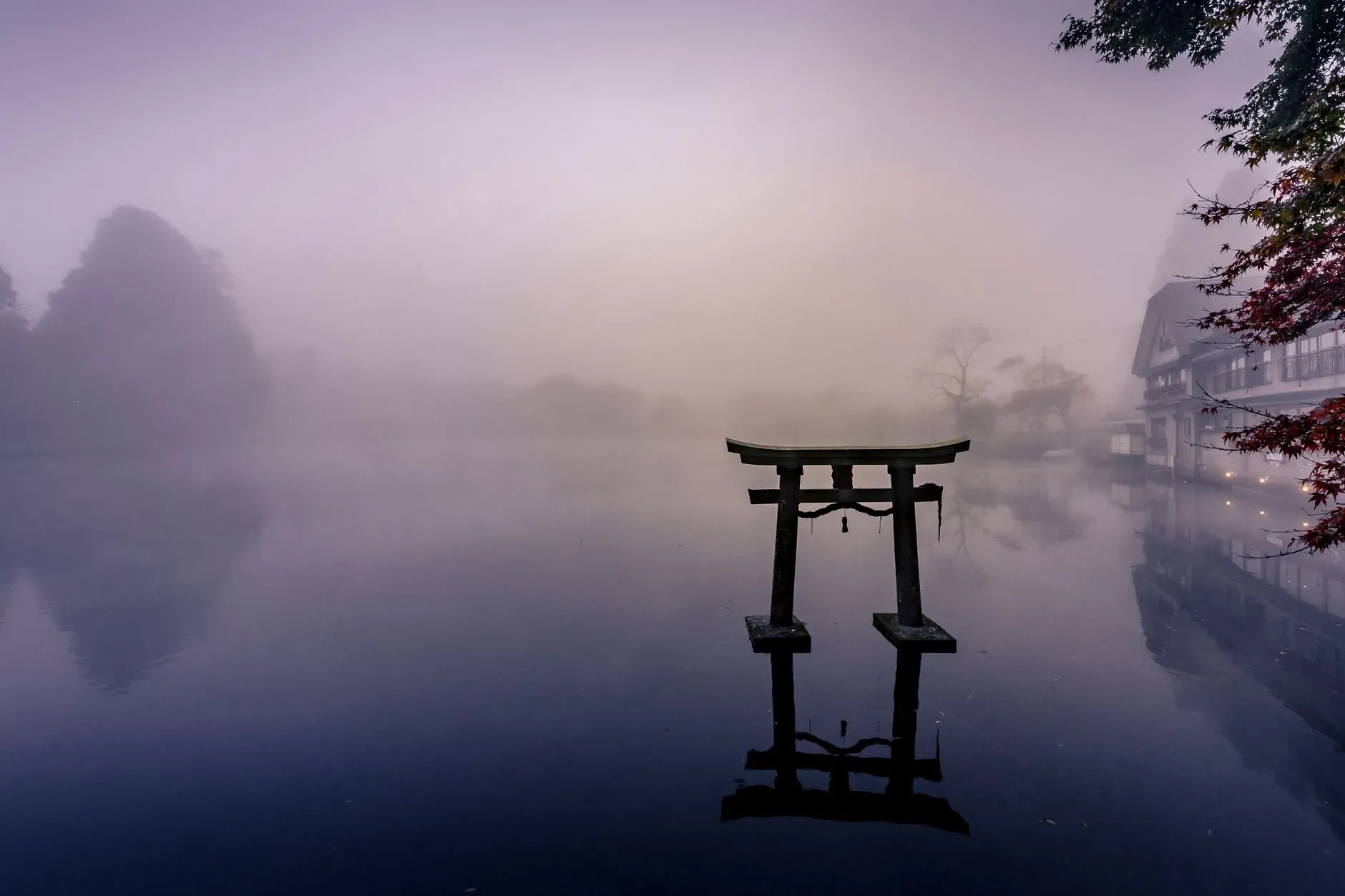
A Yufu practice focused on Japanese acupuncture and hand treatment, with visits running by donation.
 Paid
Ecoasis Mami Wata
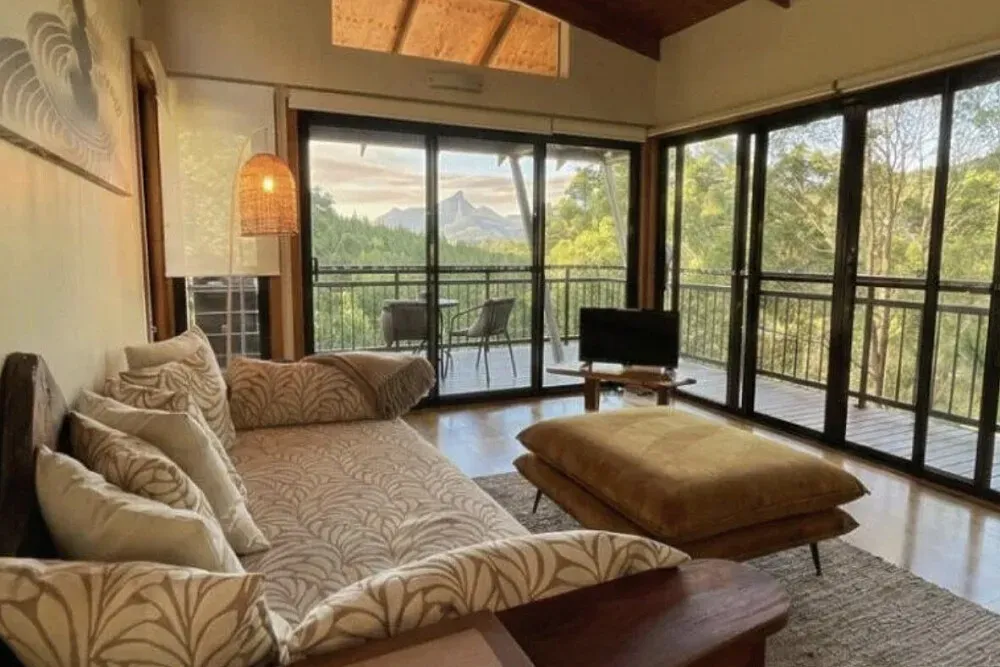
A land-centered retreat setting on Bundjalung Country, with each gathering shaped by its own program and details to confirm.
Other Nichiren centers
View all → Donation
AI-generated
Nicniren Buddhist Temple of San Jose (Myokakuji Betsuin)
A Nichiren Buddhist temple in San Jose, affiliated with Nichiren Shu Shumuin, Tokyo.
 Donation
AI-generated
SGI Canada Edmonton Community Centre
Urban center for Mahayana and Soka Gakkai practice in Edmonton.