
Chishakuin Kaikan Temple
A temple visit with room to reflect
Kyoto’s Chishakuin Temple brings together active Buddhist practice and a rich record of Japanese religious art. As the head temple of the Chisan branch of Shingon Buddhism, it is a place to encounter more than a quiet garden visit: sutra copying and meditation are among the practices associated with the temple, while ceremonies and events take place through the year. Its seasonal gardens give the grounds a changing character, with spring and autumn especially noted for their beauty. A museum preserves historical treasures, adding another layer to a visit and offering context for the temple’s long religious heritage. The atmosphere is rooted in a working temple rather than a purpose-built retreat, so the experience may depend on the calendar and the activities open to visitors. Check directly with Chishakuin about current practice sessions, events, and arrangements before planning a visit.
Highlights
- Seasonal gardens especially admired in spring and autumn
- A museum holding historical treasures
- Sutra copying as a hands-on spiritual practice
- Traditional ceremonies and events held through the year
Good for
Setting
The temple’s gardens and historic religious setting offer a quieter counterpoint to Kyoto’s busy streets. Seasonal changes shape the grounds, with spring and autumn particularly appealing, while the museum adds a cultural dimension to time spent here.
The practice
Chishakuin is the head temple of the Chisan branch of Shingon Buddhism, a Japanese Buddhist tradition. Practices associated with the temple include meditation and copying Buddhist sutras, alongside religious ceremonies and events. A first visit can be a way to observe or take part in these practices, but ask the temple which activities are open to newcomers and whether any guidance is provided.
A typical day
There is no single visitor timetable to rely on: practice sessions and ceremonies may follow the temple calendar. The day could include time in the gardens or museum as well as a meditation or sutra-copying activity when one is scheduled. Confirm current timings directly with the temple.
Accommodation
Lodging arrangements are not established here. Contact Chishakuin directly to ask whether stays are available and what they include.
What to bring
Wear comfortable, modest clothing suitable for a temple setting. Kyoto averages 15.9°C across the year, with warmer summers and cooler winters; pack layers, and bring rain protection during the wetter months of May, June, and September.
How to get there
Chishakuin is in Kyoto. Confirm the exact address and the best route for your visit through the temple’s official website before setting out.
Nearest airport: Osaka Itami International Airport (ITM) (39 km)
Osaka Itami International Airport (ITM) is approximately 39 km from the temple. Check current ground-transport connections and journey times before traveling.
Nearest city: Osaka
Check https://chisan.or.jp or contact the temple directly to ask about reservations and current activities.
The cost model is paid, but fees and inclusions depend on the activity or arrangement; confirm current prices with the temple.
Interested in this center? Check availability and upcoming retreats on their official site.
Visit Chishakuin Kaikan Temple websiteClimate
Climate Zone: Temperate
Best Months: Jan, Feb, Nov
Avoid: Jun, May, Sep
Kyoto has an annual average temperature of 15.9°C, with the warmest months from July to September and the coolest from December to February. May, June, and September are among the wettest months, while January, February, and November are drier.
Location
Frequently asked questions
What does a visit or practice day at Chishakuin involve?
Activities can include meditation, sutra copying, and temple events, but schedules vary. Ask the temple about dates and timings before you go.
Can beginners join the meditation or sutra copying?
Meditation and sutra copying are associated with the temple. Contact Chishakuin to confirm which sessions welcome beginners and how to participate.
What should I bring for a visit?
Choose comfortable, modest clothing and bring a light layer. For rainy-season visits, pack a compact umbrella or rain jacket.
How do I book, and what does it cost?
The cost model is paid. Check the official website or contact the temple directly to confirm reservations, fees, and current arrangements.
What language is used for instruction?
Ask the temple directly which languages are available for the activity or event you plan to attend.
Reviews
No reviews yet — be the first to share your experience!
More centers in Japan
View all →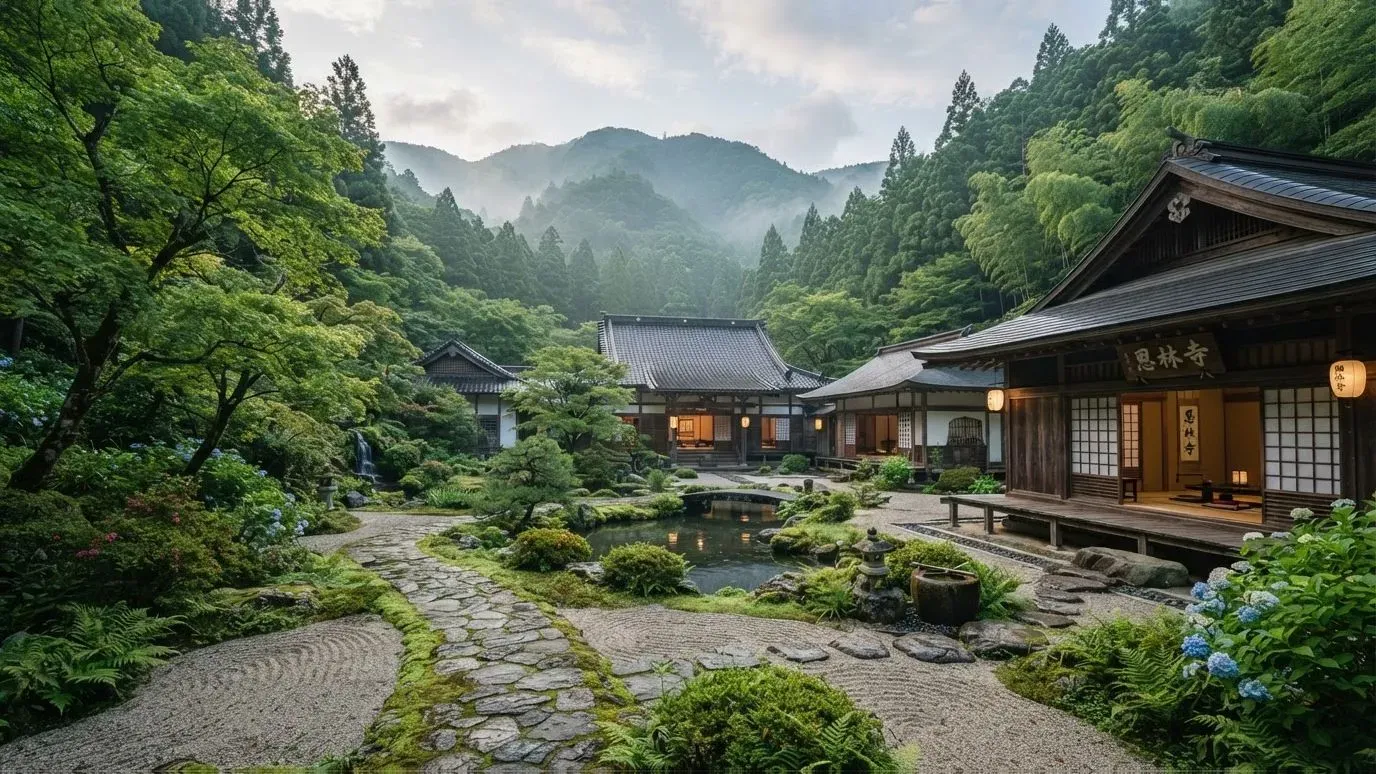 Donation
AI-generated
mikikouj
A meditation retreat in Kamakura’s Zaimokuza area, running by donation.
 Donation
AI-generated
sumeba
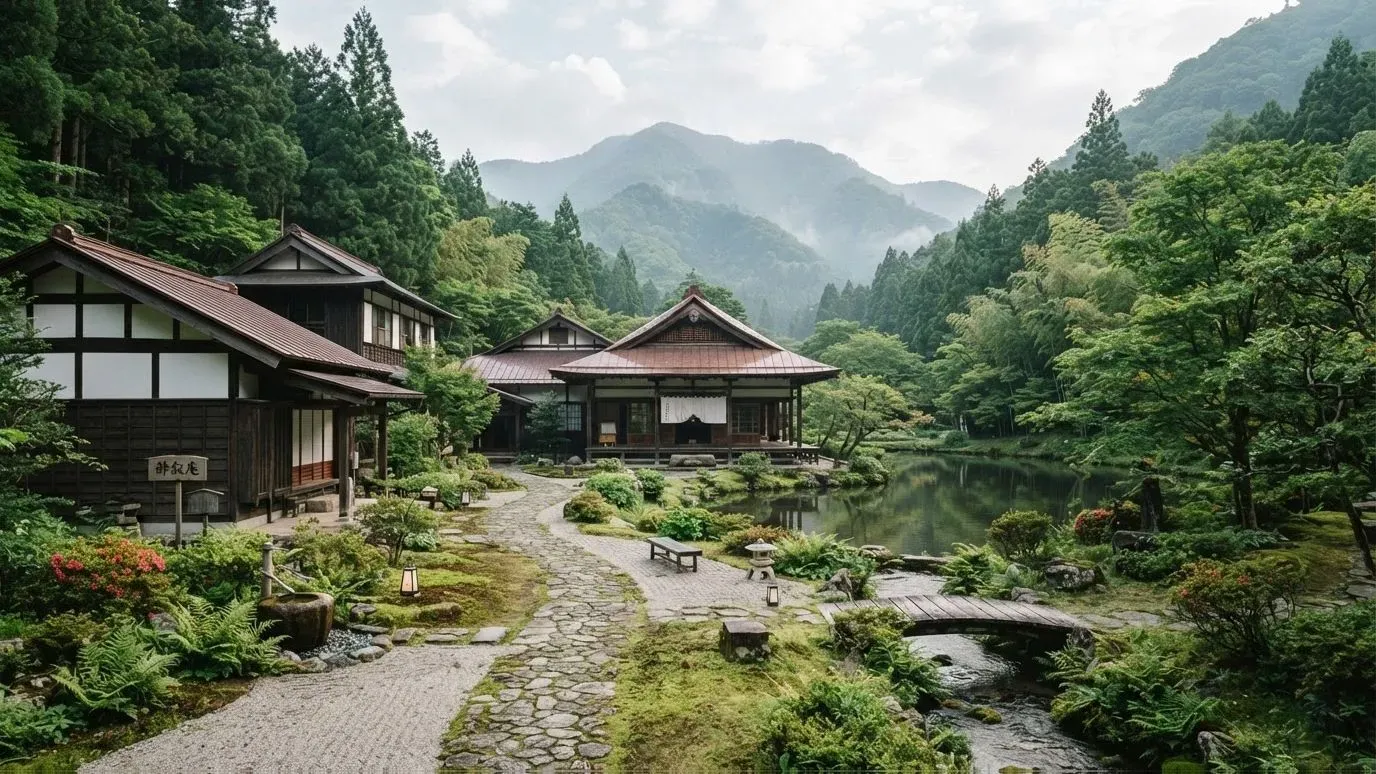
A donation-supported retreat destination in Chōsei, with practical visit details best confirmed directly before travel.
 Donation
Photo: Ken Cheung / Pexels
ZenStyle / Japanese Acupuncture + Hand Treatment
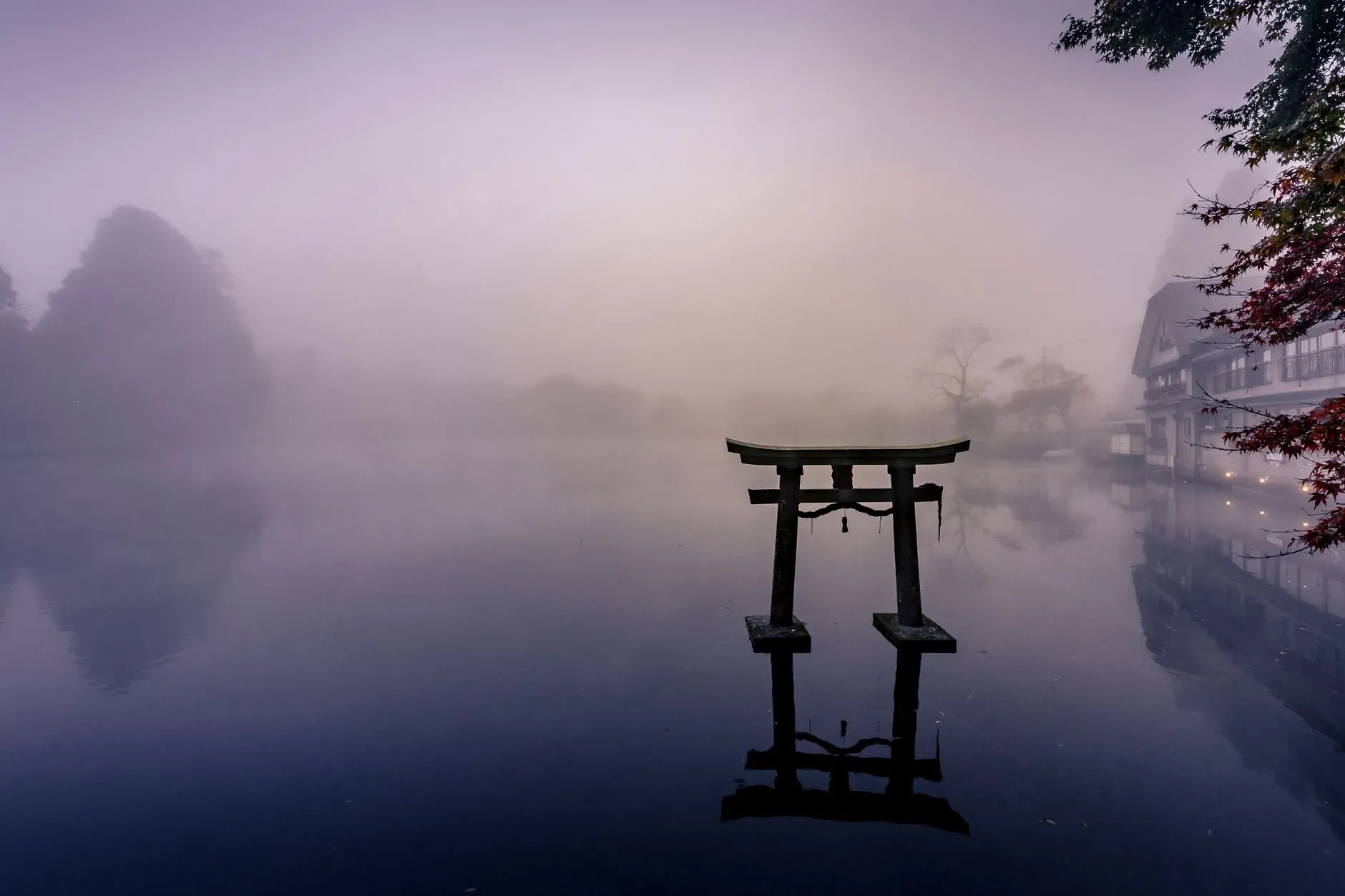
A Yufu practice focused on Japanese acupuncture and hand treatment, with visits running by donation.
 Paid
Ecoasis Mami Wata
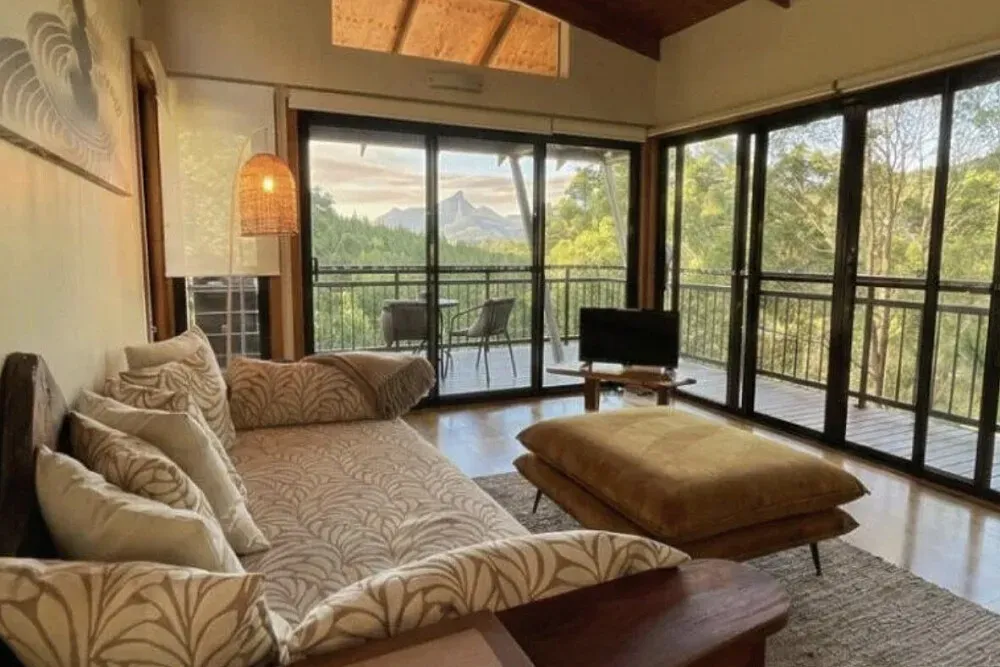
A land-centered retreat setting on Bundjalung Country, with each gathering shaped by its own program and details to confirm.